
PRP therapy has become one of the most talked-about treatments in the aesthetics industry. Celebrities, athletes, and everyday people now turn to it for skin rejuvenation, hair restoration, and overall skin health improvement. The growing popularity of this treatment reflects one simple truth: it works, and it works naturally. Unlike many aesthetic procedures that rely on synthetic chemicals or foreign substances, PRP uses our own biology to create real, lasting change.
Before booking our first session, it is completely normal to have questions. Is it safe? Does it hurt? What should we expect? These are the right questions to ask, and we deserve honest, clear answers. At La Beauté in Bradford, we believe that every client should walk into their first treatment fully informed and completely confident. Knowledge removes fear, and fear should never stand between us and a treatment that could genuinely change how we feel about ourselves.
What Is PRP and Why Is Everyone Talking About It?
PRP, or Platelet-Rich Plasma, has become one of the most talked-about treatments in the beauty and wellness industry. From skin rejuvenation to hair restoration, this treatment delivers visible results using our body’s own biology. Clinics across the UK are now offering PRP as a natural alternative to fillers and surgical procedures, and the demand keeps growing.
So the big question is: Is PRP safe? The answer is yes, and science backs it up. PRP uses our own blood, which means the risk of allergic reactions or rejection is extremely low. However, like any medical treatment, it requires proper administration, the right candidate, and a skilled professional. Understanding how PRP works before our first session gives us clarity, confidence, and realistic expectations.
How Does PRP Treatment Safety Actually Work?
PRP treatment begins with a simple blood draw from our arm. That sample goes into a centrifuge machine, which spins at high speed to separate the blood into its components. The process isolates a concentrated layer of platelets, which are tiny cells packed with powerful growth factors.
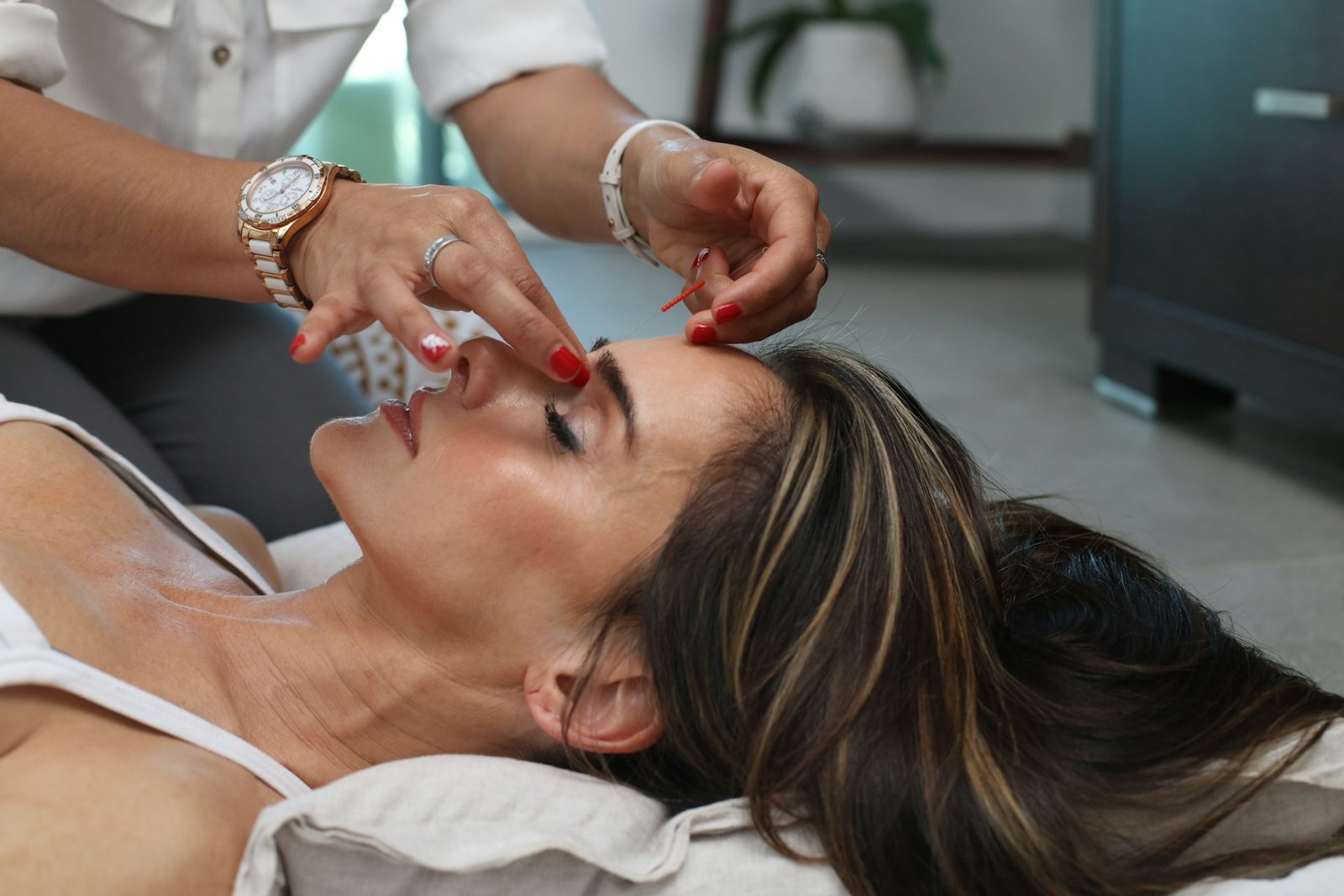
Once the platelet-rich plasma is ready, the practitioner injects it directly into the target area — whether that is our scalp, face, or joints. These growth factors stimulate collagen production, accelerate cell renewal, and trigger the body’s natural healing response. The entire process typically takes 45 to 60 minutes, making it a convenient in-clinic treatment with no general anaesthesia required.
Is PRP Safe? The Science Behind the Treatment
Is PRP safe for most people? Clinical evidence and real-world results both point to yes. Because the treatment uses our own blood, the body does not treat it as a foreign substance. This autologous nature of PRP is what makes it one of the safest regenerative treatments available today.
Research published in various dermatology and aesthetic medicine journals confirms that PRP produces minimal adverse effects when performed correctly. The treatment has been used for decades in orthopaedic surgery, wound healing, and sports medicine before making its way into aesthetic clinics. Its long track record across multiple medical fields adds another layer of credibility.
That said, the safety of PRP depends heavily on the clinic’s standards, the equipment used, and the practitioner’s expertise. A reputable clinic like La Beauté follows strict protocols to ensure every treatment is performed hygienically and professionally.
Who Is a Good Candidate for PRP?
PRP works well for a broad range of people, but not everyone qualifies. Before booking a session, a consultation with a trained professional helps determine whether PRP is the right fit for our needs and health profile.
We may be a strong candidate if we:
- Experience early-stage hair thinning or hair loss
- Want to improve skin texture, tone, or fine lines
- Are in good general health with no active infections
- Prefer natural, non-surgical beauty treatments
- Have realistic expectations about gradual improvement
We may not be suitable for PRP if we:
- Have a blood disorder or clotting condition
- Are on blood-thinning medications like warfarin
- Are pregnant or breastfeeding
- Have active skin infections or open wounds in the treatment area
- Have a history of certain autoimmune conditions
A thorough medical consultation before our first PRP session is essential. It protects our health and ensures we get the most out of the treatment.
Common Uses of PRP in Aesthetic and Wellness Clinics
PRP has a wide range of applications in the beauty and medical world. Its versatility is one of the reasons it has grown so popular in aesthetic clinics across the UK.
Skin Rejuvenation
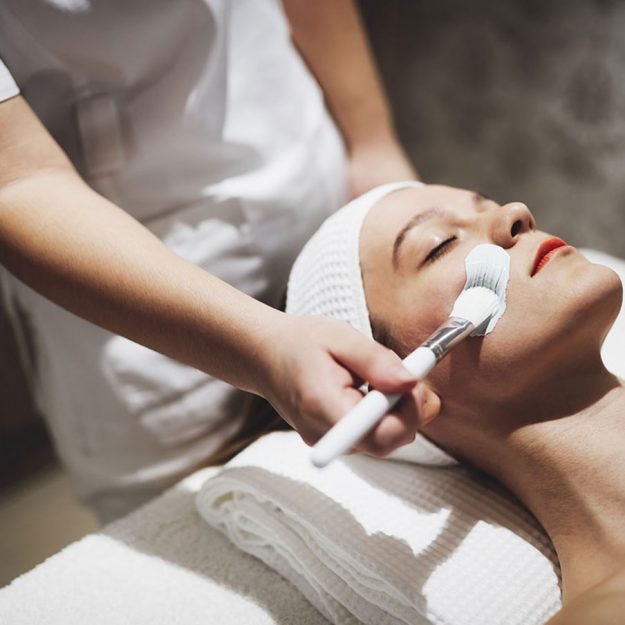
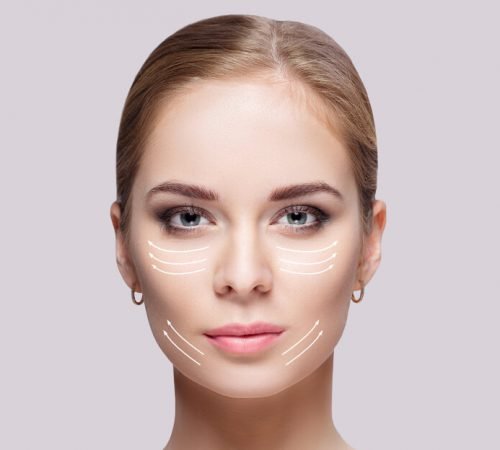
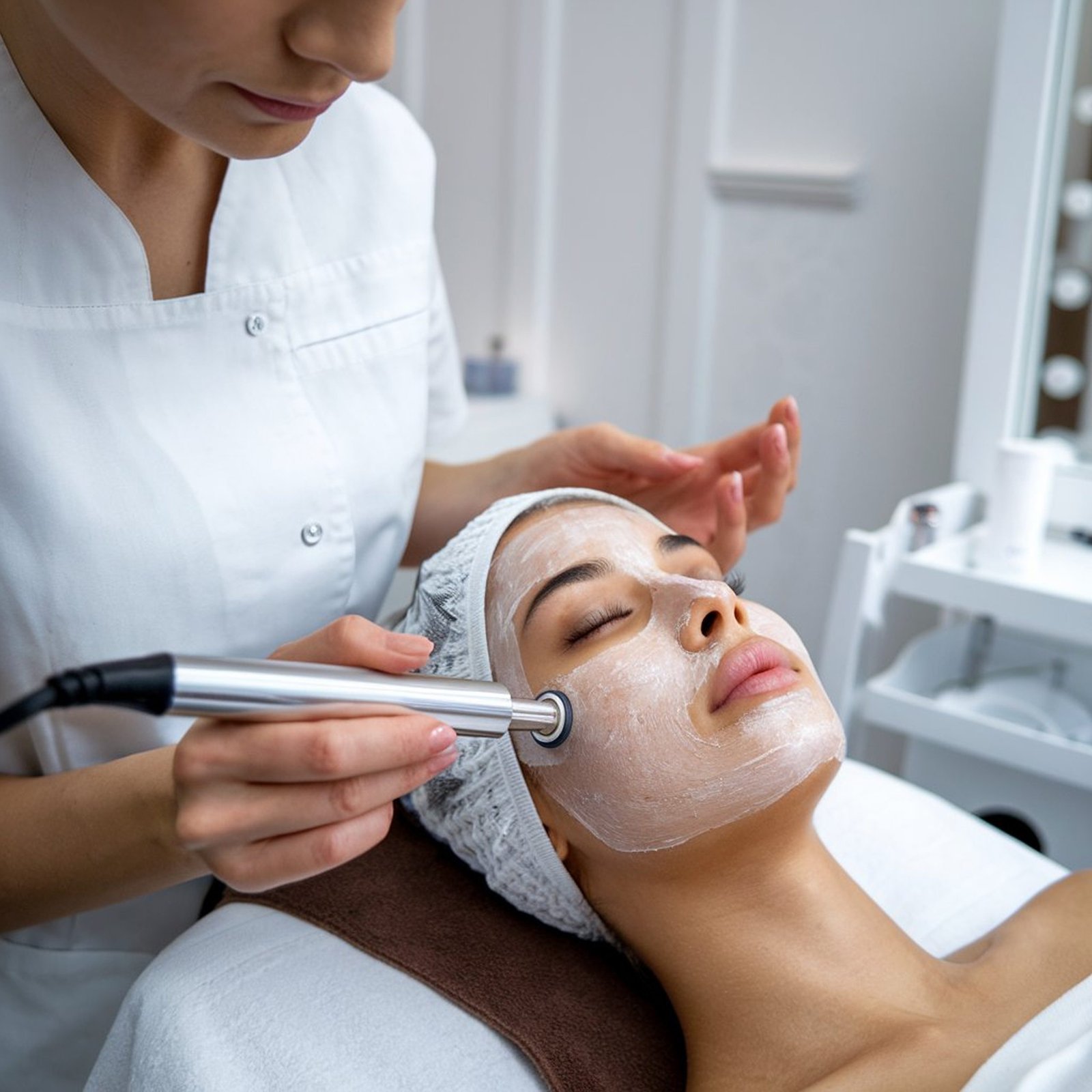
PRP for the face, often called the “vampire facial,” improves skin elasticity, reduces fine lines, and gives the complexion a natural glow. The growth factors in PRP stimulate collagen and elastin production, which tightens the skin and reduces the visible signs of ageing over time.
Hair Restoration
PRP for hair loss is one of its most well-known uses. The treatment targets dormant hair follicles and encourages them to re-enter the active growth phase. Patients dealing with androgenetic alopecia or general thinning often see noticeable improvement after three to four sessions.
Under-Eye Rejuvenation
The delicate skin under the eyes responds well to PRP. It reduces dark circles, improves skin thickness, and minimises the hollowness that makes people look tired. Results are subtle but effective, with no downtime needed.
Scar and Stretch Mark Improvement
PRP encourages tissue remodelling, which can reduce the appearance of acne scars, surgical scars, and stretch marks. Combined with microneedling, the results are even more pronounced.
What to Expect During Our First PRP Session
Walking into our first PRP appointment can feel nerve-wracking if we do not know what to expect. Here is a clear breakdown of what happens from start to finish. The session begins with a consultation where the practitioner reviews our health history and discusses our goals. A numbing cream may be applied to the treatment area to minimise discomfort. Then, a small amount of blood, usually between 10ando 20 m, is drawn from our arm.
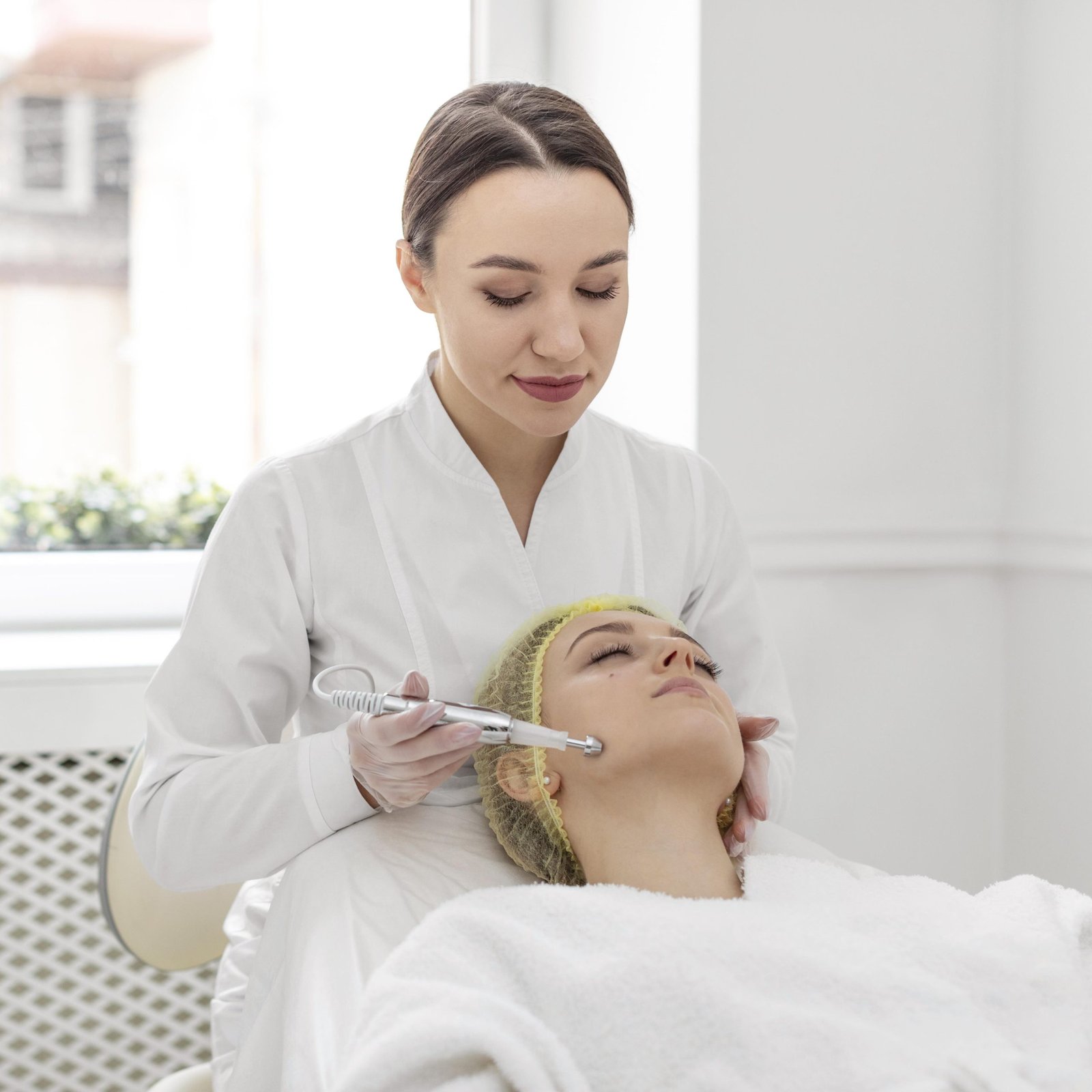
The blood goes into a sterile centrifuge, which spins for about 10 minutes to separate the plasma. The practitioner then injects the concentrated PRP into the target area using a fine needle or microneedling device. Most patients describe the sensation as mild pressure or a slight sting rather than sharp pain. After the session, we may notice mild redness, swelling, or bruising at the injection site. These reactions are normal and usually resolve within 24 to 72 hours. There is no significant downtime, and most people return to their daily routine the same day or the next morning.
PRP Side Effects: What Is Normal and What Is Not
Understanding potential side effects helps us manage expectations and know when to seek advice. Is PRP safe in terms of side effects? For most people, the side effects are mild and short-lived.
Normal side effects after PRP include:
- Temporary redness at the injection site
- Mild swelling that fades within a day or two
- Light bruising around the treated area
- Slight tenderness when touching the skin
These reactions are part of the natural healing response that PRP triggers. They are not a sign of a problem — they are a sign that the treatment is working.
Seek medical advice if you experience:
- Severe pain that does not improve after 48 hours
- Signs of infection such as increased warmth, pus, or fever
- Allergic reactions like hives or breathing difficulty
- Numbness or tingling that persists beyond a few days
Serious complications from PRP are rare, especially when performed by a qualified professional using sterile equipment. Choosing the right clinic significantly reduces any risk.
How Many PRP Treatment Safety Sessions Do We Need?
PRP is not a one-time fix. The body needs time to respond to the growth factors and produce new collagen or stimulate hair follicles. Most practitioners recommend an initial course of three sessions, spaced four to six weeks apart.
After the initial course, patients often move to maintenance sessions every three to six months depending on their goals and how their body responds. Hair restoration treatments may require additional sessions at the start for best results.
Patience is key with PRP. Results build gradually over weeks and months. The skin or scalp continues improving even after the final session in the course as the biological processes continue beneath the surface.
PRP vs Other Aesthetic Treatments: How Does It Compare?
Many people consider PRP alongside other popular treatments like dermal fillers, Botox, or laser therapy. Each option serves different purposes, and understanding the difference helps us make the right choice. Dermal fillers add volume instantly but use synthetic or hyaluronic acid-based substances. PRP, in contrast, stimulates our own tissue to regenerate and improve naturally. The results from PRP take longer to appear but are considered more organic and harmonious with the face’s natural structure.
Botox targets muscle movement to reduce dynamic wrinkles. PRP improves skin quality, overall texture, tone, hydration, and elasticity. These two treatments actually complement each other well and are often combined in aesthetic practice. Laser treatments work by creating controlled damage to the skin surface to trigger healing. PRP does the same at a cellular level without heat or surface trauma, making it suitable for sensitive skin types that may not tolerate lasers well.
What Makes La Beauté the Right Choice for PRP?
Choosing the right clinic for our PRP treatment is just as important as choosing the treatment itself. La Beauté combines clinical precision with a client-first approach to deliver safe, effective, and personalised PRP experiences . Every treatment at La Beauté begins with a detailed consultation. The team takes time to understand our skin condition, hair concerns, lifestyle, and health history before recommending a tailored treatment plan. This approach ensures that every session is appropriate for our body and our goals.
The clinic uses high-quality centrifuge equipment and sterile single-use materials to maintain the highest safety standards. Practitioners stay updated on the latest techniques and research in regenerative aesthetics, so clients always receive care that reflects current best practices.
How to Prepare for our First PRP Treatment
Good preparation helps the treatment work more effectively and reduces the chance of side effects. Following pre-treatment advice from our practitioner shows better results.
In the days before our session, stay well hydrated. Good hydration improves blood quality and makes the blood draw easier. Avoid alcohol for at least 24 hours before the appointment, as it thins the blood and can increase bruising. If we take anti-inflammatory medication like ibuprofen, stop taking it for three to five days before treatment unless our doctor advises otherwise.
On the day of our session, eat a light meal beforehand to avoid feeling faint during the blood draw. Arrive with clean skin and avoid wearing heavy makeup if we are having a facial treatment. Inform our practitioner about any recent illnesses, supplements, or changes in medication.
Post-Treatment Care: How to Maximise our PRP Results
What we do after our PRP session has a direct impact on our results. Following the right aftercare routine helps the growth factors work at their best.
For the first 24 hours, avoid touching or applying pressure to the treated area. Do not wash the treatment zone during this period. Skip strenuous exercise, saunas, steam rooms, and swimming pools for at least 48 hours. Heat and sweat can disrupt the healing environment that PRP creates.
Avoid direct sun exposure on the treated area for several days. If going outdoors is necessary, apply a broad-spectrum SPF 30 or higher. For scalp treatments, avoid harsh shampoos and heat styling tools for a few days post-treatment.
Do not apply makeup to the face for at least 12 hours after a facial PRP session. Keeping the skin clean and free from products gives the plasma the best environment to absorb and activate.
FAQs About PRP Treatment Safety
1. Is PRP safe for all skin types?
Yes, PRP is generally safe for all skin types because it uses our own blood. There is no risk of allergic reaction to the plasma itself. However, the condition of our skin and our medical history still need assessment before treatment begins.
2. Does PRP hurt?
Most patients experience mild discomfort rather than pain. Numbing cream is applied before the treatment to reduce sensation. The injections feel like small pinches, and the overall experience is manageable for most people.
3. How long do PRP results last?
Results from PRP typically last between six months and two years, depending on the area treated, the number of sessions, and individual factors like age and lifestyle. Maintenance sessions help sustain and build on the results.
4. Can I combine PRP with other treatments?
Yes. PRP pairs well with microneedling, laser therapy, and mesotherapy. Our practitioner will advise on the best combination for our specific goals and skin condition.
5. How soon will I see results from PRP?
Initial improvements may appear within two to three weeks after the first session. The most noticeable results usually develop after the full course of three sessions, with continued improvement over the following months.
Final Thoughts: Is PRP Worth It?
Is PRP safe? Absolutely when performed by trained professionals in a clinical setting with proper equipment and protocols. The treatment has a strong safety record, scientific backing, and a growing body of satisfied patients across the UK and beyond. Whether we want to restore hair density, refresh our skin, or reduce the signs of ageing, PRP offers a natural and effective path. It works with our body rather than introducing synthetic substances, which is why so many people prefer it as a long-term beauty and wellness investment.
At La Beauté, every PRP journey starts with honest consultation, careful assessment, and personalised care. If we are ready to explore what PRP can do for us, the right place to start is a conversation with a trusted professional who puts our safety and results first.