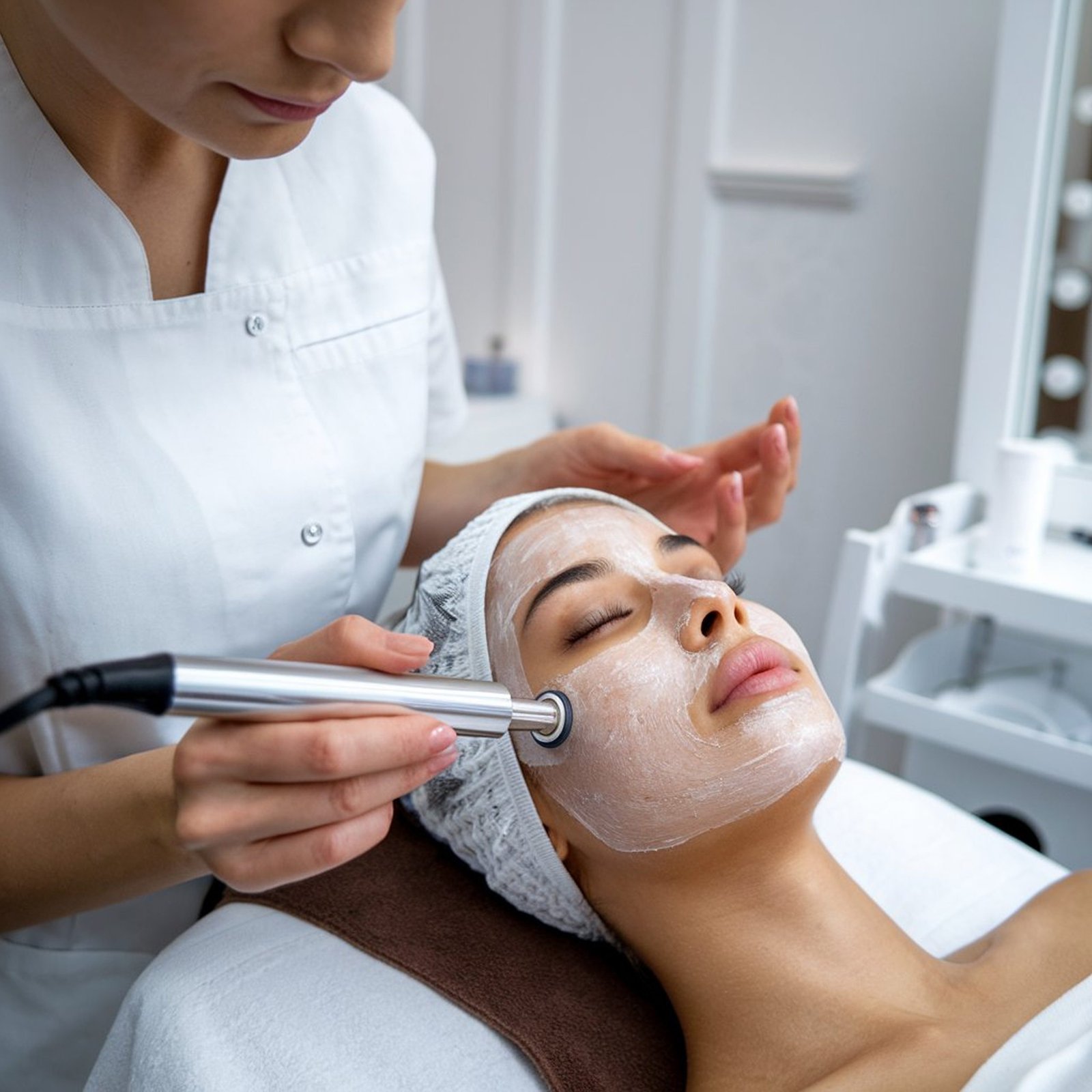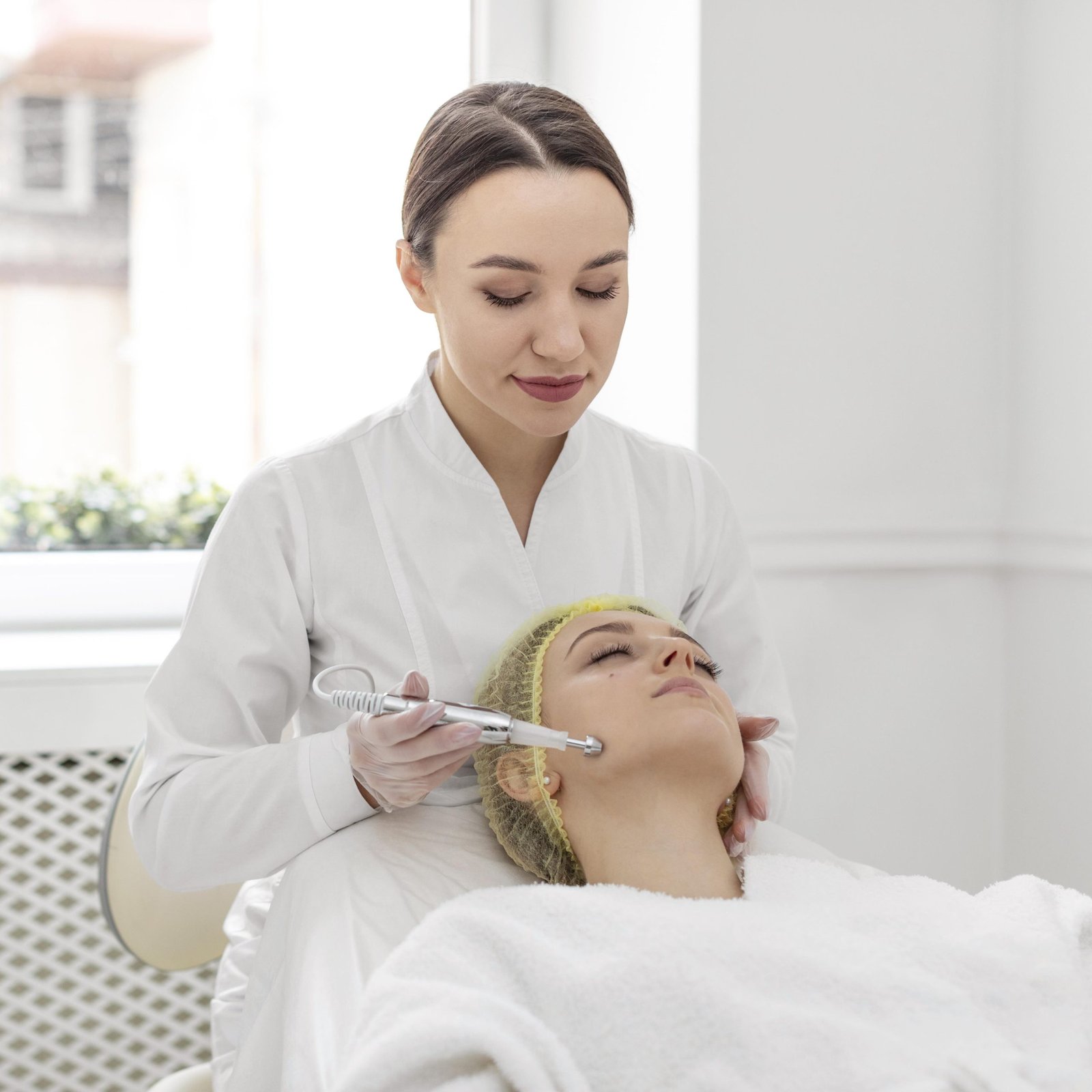
Dark circles under the eyes are one of the most common skin concerns people bring up in a clinic. They make a person look tired even after a full night’s sleep, and they often resist creams, concealers, and home remedies. Many clients try multiple products before realising the problem needs a clinical approach. Understanding the real cause is the only way to choose a solution that actually works.
At La Beauté in Bradford, clients frequently ask why these shadows appear and what actually works. The right dark under-eye circles treatment depends on identifying which cause applies to us. This article walks through every major cause and the treatments that address them directly. By the end, we’ll have a clear picture of which option suits our situation.
Understanding the Root Causes of Dark Under-Eye Circles
The skin under the eyes is thinner than skin anywhere else on the face. This means blood vessels and underlying structures show through more easily, creating the appearance of shadows. Even small changes in hydration or sleep can make this area look noticeably darker than the rest of the face. This sensitivity is also why generic skincare products often underperform here.
Because the tissue here lacks the thickness found elsewhere, it reacts quickly to both internal and external stress. Understanding this fragility helps explain why under-eye skin needs a different treatment approach altogether. Practitioners always factor this delicacy into how they plan and deliver treatment.
When Dark Under-Eye Circles Run in the Family
Some families simply carry thinner under-eye skin or more visible blood vessels. This trait often shows up early in life, sometimes even in childhood, and tends to run consistently through generations. Parents and children frequently share the same shadowed appearance regardless of lifestyle. This hereditary pattern is one of the most common reasons people seek treatment.
No amount of sleep changes a genetic predisposition. Treatment, not rest, becomes the realistic solution here, since the underlying vascular structure stays the same no matter how well-rested someone is. Recognising this early can save years of frustration with ineffective home remedies.
How the Ageing Process Affects the Eye Area
Collagen and fat naturally decrease around the eyes over time. The skin loses cushioning, making underlying muscle and blood vessels more visible as the years progress. This process typically becomes noticeable from the mid-thirties onward. It often accelerates further once skin elasticity begins to decline more broadly.
This often creates a bluish or purplish tint that reads as a shadow rather than a flat discolouration. The hollowing effect also catches light differently, which makes the area appear more sunken in photographs and mirrors. Many clients first notice this change when looking at recent photos compared to older ones.
Understanding Pigmentation-Related Darkness
Excess melanin production under the eyes is a separate cause from visible blood vessels. Sun exposure and frequent eye rubbing are common triggers, and both gradually deepen the discolouration over months or years. People with naturally deeper skin tones are often more prone to this type. Hormonal changes can also contribute to pigmentation in some cases.
This type of darkness tends to look more brown than blue, which helps practitioners identify it during assessment. Correctly distinguishing pigmentation from vascular causes is essential before choosing any treatment plan. Treating the wrong cause often leads to disappointing, short-lived results.
The Role of Lifestyle and Everyday Habits
Poor sleep, dehydration, smoking, and high salt intake can all worsen the appearance of dark circles. These habits cause fluid retention or paleness that makes shadows more obvious, even in people without a strong genetic tendency. Stress and screen fatigue can add to this effect as well. Over time, these small daily habits compound into a more persistent, visible problem.
Allergies are a frequently overlooked cause. Congestion dilates blood vessels under the eyes, and rubbing irritates the skin further, often creating a cycle of inflammation that’s hard to break without addressing the allergy itself. Managing allergies effectively can noticeably reduce the severity of dark circles on its own.
Identifying Your Type of Dark Under-Eye Circles
Not all dark under-eye circles look or behave the same way, which is why a one-size-fits-all approach so often fails. Vascular circles appear bluish or purplish and become more obvious when skin is pulled taut, since they’re caused by visible blood vessels beneath thin skin. Pigmented circles, by contrast, look more brown and stay consistent in colour regardless of how the skin is stretched, pointing to excess melanin rather than vascular visibility.
Structural circles form shadows due to hollowing or volume loss, often appearing as a distinct groove along the tear trough that deepens with age. Many people actually experience a mix of two or even all three types at once, which is precisely why an accurate, professional assessment matters more than guessing based on appearance alone. Correctly identifying our type is what separates an effective dark under-eye circles treatment from a frustrating trial-and-error process.
Why Topical Products Rarely Solve the Problem
Most over-the-counter eye creams target surface hydration only. This may soften fine lines but rarely changes the structural issues beneath the skin, leaving the core problem untouched. Many clients report short-term improvement that fades within hours. This cycle of temporary results often leads to frustration and product fatigue.
If darkness comes from visible vessels, volume loss, or true pigmentation, a cream cannot reach deep enough to correct it. This is exactly why so many people eventually turn to clinical options for longer-lasting change. Professional treatment addresses the actual structure rather than masking the surface.
Restoring Lost Volume With Dermal Fillers
Hyaluronic acid filler restores lost volume under the eyes when hollowing is the main issue. It smooths the transition between the lower eyelid and cheek, softening the shadow that forms in a sunken tear trough. The technique requires precision given how delicate the surrounding tissue is. Practitioners use very fine needles or cannulas to minimise bruising and discomfort.
Results are usually visible immediately and can last between nine and eighteen months depending on the individual. Most clients return for a top-up once the effect begins to fade gradually. This makes filler one of the more predictable and longer-lasting options available.
Improving Skin Texture With Skin Boosters
Skin booster injections deliver hydrating compounds directly into thin, dehydrated under-eye skin. Over a short course of sessions, the skin gains thickness and elasticity, which improves its overall texture and resilience. This approach suits clients who aren’t ready for volume-adding fillers. It’s also a good option for younger clients dealing with early dehydration-related shadows.
This reduces how visible the underlying vessels appear without adding volume. The improvement tends to build gradually, with skin looking progressively smoother after each session. Many clients combine this with other treatments for a more complete result.
Lightening Pigmentation With Chemical Peels
A mild chemical peel formulated for the eye area can gradually lighten pigmented skin. This works well when melanin, not vascular visibility, is the main cause, and results typically appear after a short series of sessions. Practitioners select peel strength carefully given how sensitive this area is. Stronger peels are avoided here to protect the thin surrounding skin.
Daily sun protection is essential alongside peels to prevent pigmentation from returning. Without consistent SPF use, the pigmentation often resurfaces within a few months of treatment. This makes ongoing sun care just as important as the treatment itself.
Stimulating Renewal With PRP Therapy
PRP uses growth factors from the client’s own blood to stimulate collagen production. It is a gentler option for those wanting gradual improvement in skin thickness and tone, rather than an immediate, dramatic change. Results typically build over several weeks following treatment. The process involves drawing a small blood sample and reinjecting the concentrated platelets.
This natural approach suits clients who prefer to avoid synthetic fillers. Many find it appealing because it uses the body’s own healing process rather than an external substance. It also carries a very low risk of allergic reaction since nothing foreign is introduced.
Targeting Discolouration With Laser Treatments
Certain lasers target pigmentation and stimulate collagen at the same time. This makes them useful for clients dealing with both discolouration and early volume loss in a single treatment course. Sessions are typically spaced several weeks apart for safe, gradual improvement. Multiple sessions are usually needed to achieve the full visible benefit.
A trained practitioner calibrates settings carefully, given how delicate the eye area is. Incorrect settings can cause irritation, which is why experience matters greatly with this option. Choosing an experienced clinic significantly reduces the risk of complications.
What a Proper Consultation Involves
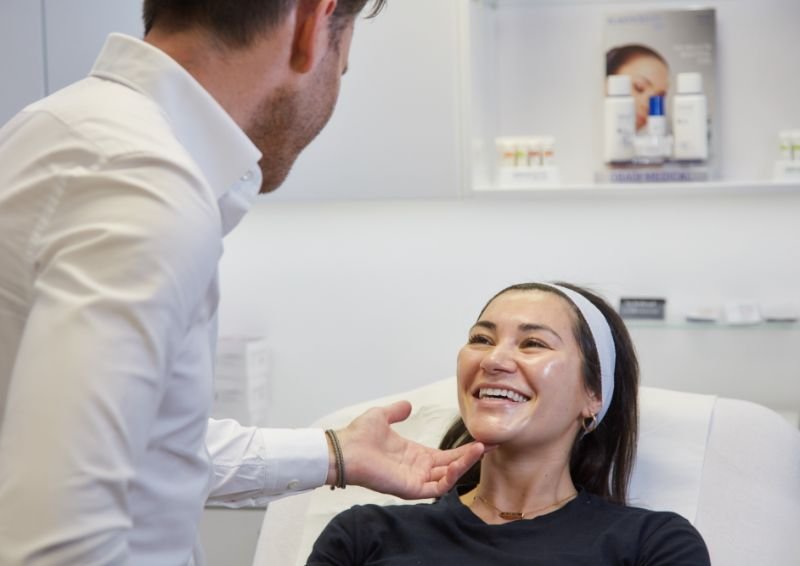
A qualified practitioner examines whether darkness comes from vascular visibility, pigmentation, hollowing, or a combination. Medical history, allergies, and skincare routine are also reviewed before any recommendation is made. This thorough process helps avoid choosing the wrong treatment from the start. Photographs are often taken to track progress accurately over time.
A good consultation sets realistic expectations about timelines, costs, and the number of sessions needed. Clients leave with a clear understanding of what results to expect and when. This transparency builds trust and helps clients commit confidently to their plan.
Getting Better Outcomes by Combining Treatments
Many clients achieve the best outcome by combining two approaches rather than relying on one alone. Filler can address hollowing while a skin booster improves overall skin quality on top of it, creating a more complete result. This layered approach often produces a more natural-looking outcome. Combining treatments can also extend the overall longevity of results.
Pairing pigmentation-focused peels with at-home retinoid use also tends to produce more consistent results. Our practitioner can recommend the right sequence based on our specific combination of causes. A tailored combination plan generally outperforms any single treatment used alone.
Protecting Your Results With Proper Aftercare
Sun protection is essential, since UV exposure worsens pigmentation and breaks down collagen. Staying hydrated and managing allergies also help maintain results between sessions, extending the benefits of any treatment received. Simple daily habits make a meaningful difference in how long results last.
- Wear daily SPF around the eye area
- Avoid rubbing or pulling at the skin
- Stay consistently hydrated
- Manage seasonal allergies promptly
- Book touch-up sessions as recommended
Important Safety Considerations Before Treatment
Clients who are pregnant, breastfeeding, or have certain bleeding disorders may need to avoid injectable options. Active skin infections in the treatment area should clear before any procedure begins, as treating compromised skin can increase risk. Certain medications can also affect suitability for specific treatments.
A thorough consultation always screens for these factors first. This careful screening process protects client safety above all else. Practitioners will always recommend postponing treatment if any risk factor is identified.
Why Clinical Care Beats At-Home Remedies
Home remedies like cold compresses or caffeine creams offer short-term relief from puffiness only. They rarely change the underlying structure causing persistent darkness, which means the shadows return quickly once the remedy wears off. These methods can still be useful as a temporary measure alongside professional care.
Professional dark under-eye circles treatment works at a deeper level, addressing volume, pigmentation, or skin quality directly. This is why clinical results tend to last significantly longer than anything achievable at home. Investing in proper treatment ultimately saves time and money compared to repeated short-term fixes.
How La Beauté Approaches Under-Eye Concerns
At La Beauté in Bradford, every treatment plan begins with identifying the actual cause of our under-eye shadows. Generic solutions are avoided in favour of tailored assessment, ensuring each client receives a plan suited to their specific skin. This personalized approach reflects the clinic’s broader philosophy toward aesthetic care.
The clinic offers dermal fillers, skin boosters, and pigmentation treatments, each selected based on our individual skin. Experienced practitioners guide clients through every step of the process with clear, honest advice. Every plan is reviewed and adjusted as needed to ensure the best possible outcome.
Frequently Asked Questions
1. Can dark circles be removed permanently?
Most treatments significantly reduce their appearance rather than removing them permanently. Maintenance sessions help preserve results over time, since factors like ageing continue to affect the skin.
2. How long does it take to see results from filler under the eyes?
Improvement is usually visible immediately. Minor swelling settles within a few days to reveal the final, more refined result.
3. Are under-eye treatments painful?
Most clients describe mild discomfort rather than significant pain. Numbing cream is often applied beforehand for added comfort during the session.
4. How do I know which treatment is right for me?
A professional consultation is essential, since the underlying cause determines the most effective approach for our individual skin.
5. Is there any downtime after treatment?
Downtime is generally minimal. Mild redness or swelling may occur for a day or two before normal activities resume comfortably.
Conclusion
Dark circles rarely stem from a single cause, which is why generic creams and concealers so often disappoint. Genetics, ageing, pigmentation, and everyday habits each play a distinct role, and pinpointing our specific combination is the real first step toward lasting improvement. With an accurate diagnosis and a treatment plan tailored to our skin, modern aesthetic medicine can meaningfully reduce dark circles and bring back a brighter, more rested look. If we’re ready to address ours properly, La Beauté in Bradford offers expert consultations to map out the right path forward. Visit la-beaute.co.uk to book our assessment today.