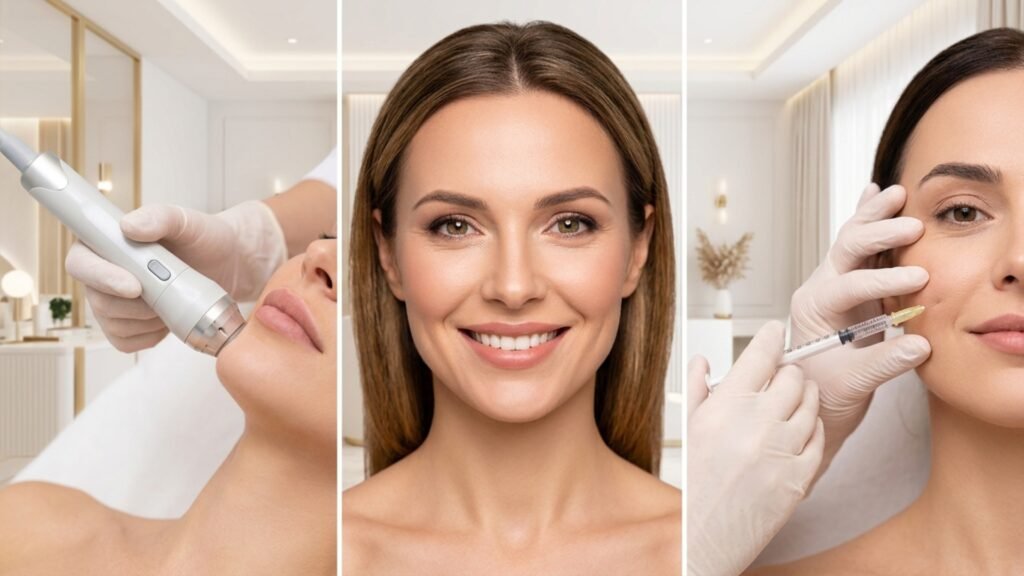
Choosing between a non-surgical facelift vs dermal fillers can feel confusing when both treatments promise youthful, refreshed skin without surgery. Many people search for ways to reduce sagging skin, fine lines, and volume loss, yet they struggle to understand which option truly suits their goals. This guide breaks down both treatments in simple terms, so we can make a confident decision that matches our skin type, budget, and desired outcome.
At La Beaute, we help clients across the UK understand their options before committing to any aesthetic treatment. Whether we want subtle volume restoration or an overall lifting effect, knowing the real difference between these two popular procedures will save us time, money, and unnecessary disappointment.
What Is a Non-Surgical Facelift?
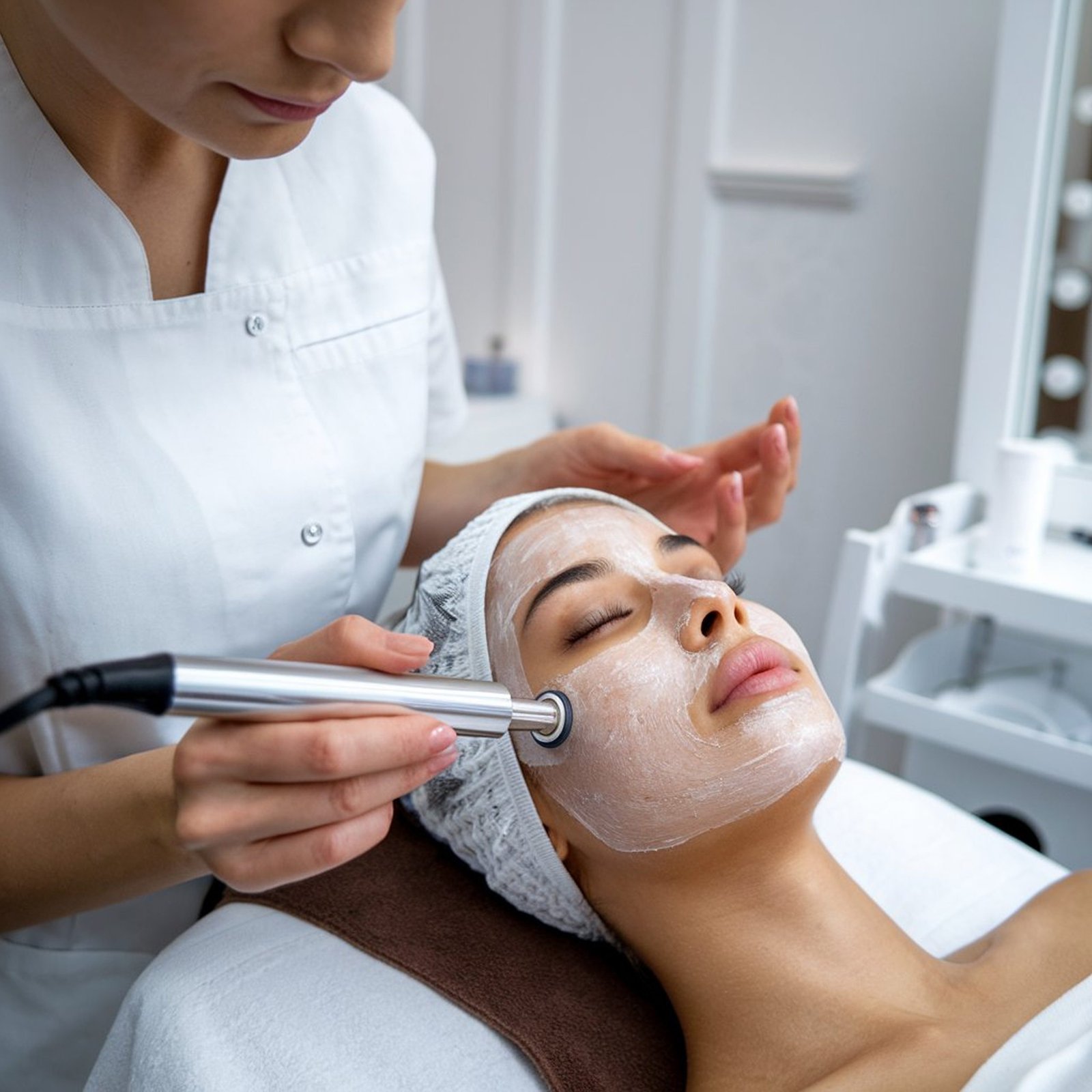
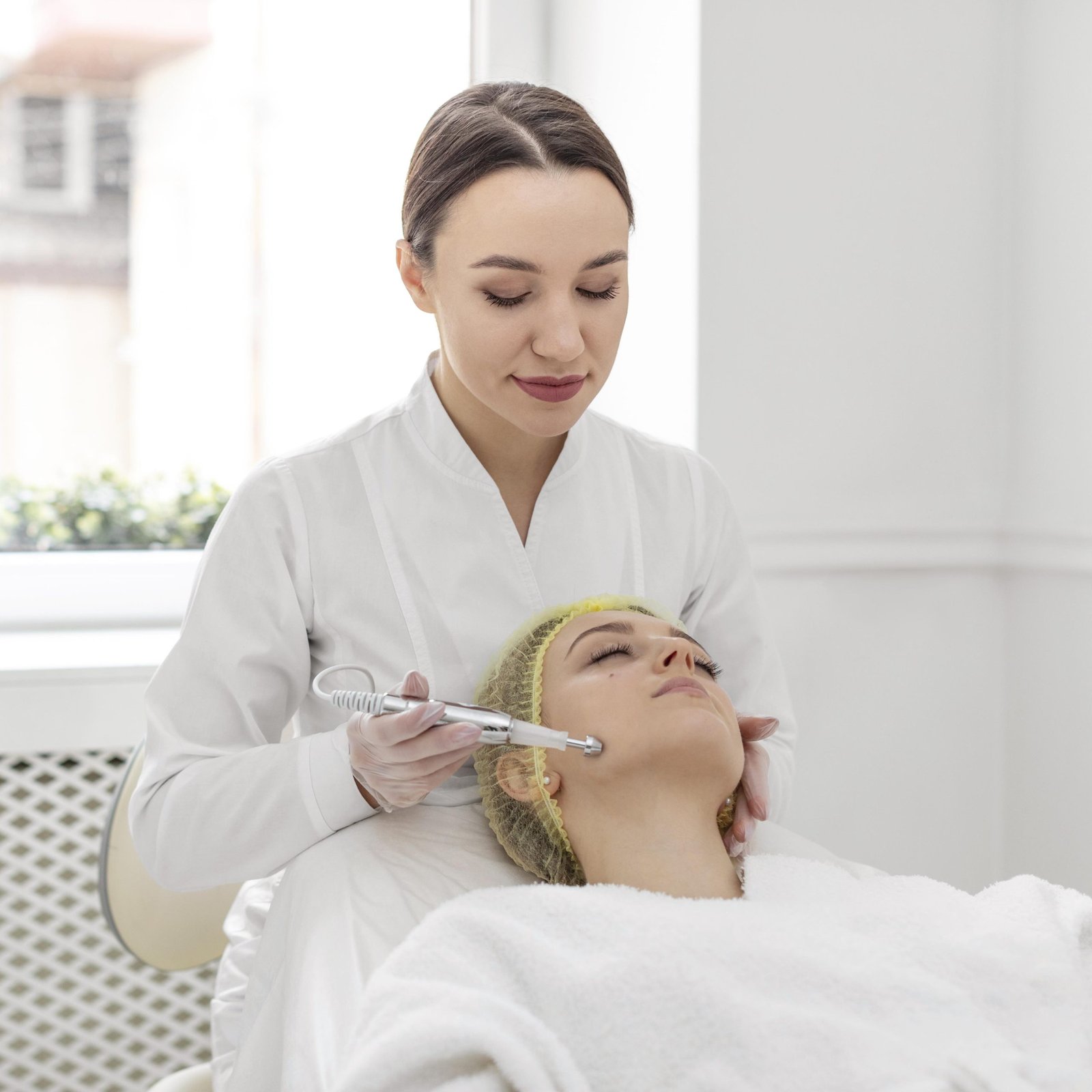
A non-surgical facelift refers to a group of treatments designed to lift, tighten, and rejuvenate the skin without any incisions or downtime. These treatments often combine techniques like radiofrequency, ultrasound therapy, and skin-tightening devices to stimulate collagen production naturally.
Unlike traditional surgery, this approach works gradually. The skin tightens over several weeks as new collagen fibres form beneath the surface. Most people choose this option because it avoids scars, anaesthesia, and long recovery periods while still addressing sagging skin around the jawline, cheeks, and neck.
The results tend to look gradual and natural since the body produces its own structural support rather than relying on injected volume. This makes the non-surgical facelift a popular choice for people who want a refreshed appearance without looking artificially altered.
What Are Dermal Fillers?
Dermal fillers are injectable treatments that restore lost volume, smooth wrinkles, and enhance facial contours. Most fillers contain hyaluronic acid, a substance naturally found in the skin that keeps it hydrated and plump. As people age, natural hyaluronic acid levels decrease, causing hollow cheeks, thin lips, and deepening lines. Fillers work instantly. A trained practitioner injects the gel-like substance into targeted areas, and results appear within minutes.
Many clients choose fillers to address specific concerns like nasolabial folds, under-eye hollows, or lip volume rather than an overall lifting effect. Because fillers add volume rather than tighten skin, they suit people who need to restore lost fullness instead of correcting sagging caused by gravity or ageing collagen structures.
Non-Surgical Facelift vs Dermal Fillers: Key Differences
Understanding how these treatments differ helps clarify why one might suit our needs better than the other. Both aim to improve appearance, but they work through completely different mechanisms.
- Treatment approach: A non-surgical facelift tightens existing tissue and stimulates collagen, while dermal fillers add new volume directly beneath the skin.
- Result timeline: Fillers show immediate results, whereas facelift treatments require several weeks to reveal full effects as collagen rebuilds.
- Longevity: Filler results typically last six to eighteen months depending on the product, while non-surgical facelift effects can last one to two years due to genuine collagen regeneration.
- Best-suited concerns: Facelift treatments address sagging and skin laxity, while fillers correct volume loss and deep static wrinkles.
These differences matter because choosing the wrong treatment for our specific concern can lead to underwhelming results, even if the procedure itself was performed correctly.
Which Treatment Gives More Natural-Looking Results?
This is where the comparison of non-surgical facelift vs dermal fillers becomes most important. Natural-looking results depend on technique, product choice, and practitioner skill.
Why Facelifts Often Look More Gradual
Non-surgical facelift treatments generally produce a more natural progression. The body gradually rebuilds its own collagen framework, so there’s no risk of visible puffiness. The change happens slowly. Friends and family notice us look refreshed without immediately spotting a procedure.
Why Fillers Need Careful Technique
Dermal fillers, when injected conservatively, also achieve natural results. However, overfilling or poor technique can create a stretched or artificial look, particularly in the cheeks and lips. The skill of the injector plays a much larger role in filler outcomes. The facelift lets the body do most of the work on its own.
Choosing Based on Our Priority
For clients prioritising subtlety and gradual transformation, a non-surgical facelift often edges ahead. For those needing immediate, targeted volume correction, fillers remain unmatched when administered with restraint.
Combining Both Treatments for Enhanced Results
Many clients don’t have to choose one over the other. Combining a non-surgical facelift with strategic dermal filler placement often produces the most comprehensive rejuvenation. The facelift treatment tightens and lifts the overall structure, while fillers restore specific volume loss in areas like the cheeks or under-eyes.
- Layered rejuvenation: Facelift treatments improve skin firmness while fillers refine specific contours, creating balanced results.
- Cost efficiency: Combining treatments strategically can sometimes reduce the frequency of touch-ups needed for either procedure alone.
- Personalised planning: A qualified practitioner can map out which areas benefit from tightening versus volume restoration, ensuring the most natural outcome possible.
This combined approach has become increasingly popular because it addresses both structural sagging and volume depletion, two separate ageing processes that single treatments often can’t fully resolve.
Cost Comparison: Facelift Treatments vs Dermal Fillers
Dermal fillers usually cost less per session, but their expense adds up faster since they need repeating every six to eighteen months. Non-surgical facelift treatments often carry a higher upfront cost, though longer-lasting results reduce the number of repeat visits. Comparing yearly maintenance costs, rather than single-session prices, gives a clearer picture of true value.
Many clinics offer package deals that reduce the overall cost of multiple sessions. Asking about total treatment plans upfront helps us budget more accurately. This approach also prevents unexpected costs down the line.
Recovery Time and Aftercare Tips for Both Treatments
Both treatments involve minimal downtime, but aftercare still matters for the best results. After fillers, avoid touching the treated area and skip strenuous exercise for 24 hours. After a non-surgical facelift, gentle skincare and sun protection help support collagen growth.
Following our practitioner’s aftercare instructions closely improves and speeds up final results. Staying hydrated also supports our skin’s natural healing process. Most people resume normal activities within a day or two.
Factors to Consider Before Choosing Our Treatment
Before booking any procedure, take time to think through our main skin concern. Sagging skin points toward a non-surgical facelift, while hollow or sunken areas point toward dermal fillers. Budget also plays a role in this decision. Fillers need repeating every six to eighteen months, while facelift treatments tend to last longer between sessions despite a higher upfront cost.
Our timeline matters too. An upcoming event calls for fillers, since results appear immediately, while long-term planning suits a facelift, as results build gradually over several weeks.
Combining Facelift and Filler Treatments
We don’t always have to pick just one option. Many clinics now combine both treatments for complete facial rejuvenation.
- Structure first, volume second: A facelift tightens the skin’s foundation, while fillers add volume exactly where it’s needed most.
- Longer-lasting results: Combining treatments often means fewer touch-ups overall, since each treatment supports the other.
- Tailored to our face: A good practitioner maps out which areas need lifting and which need volume, rather than applying a generic plan.
This combined approach has become increasingly common because ageing rarely affects just one part of the face.
Risks and Side Effects We Should Know About
Both treatments carry mild, temporary risks when performed correctly. Fillers can cause minor swelling, bruising, or tenderness at injection sites for a few days. Non-surgical facelift treatments may cause slight redness or warmth immediately after the session.
Choosing an experienced, qualified practitioner significantly reduces the chance of complications or unsatisfactory results. Always disclose your full medical history before treatment. This helps our practitioner avoid unnecessary risks.
How to Choose the Right Practitioner in the UK
Selecting a qualified practitioner matters more than choosing a specific treatment. Look for certified professionals with verified before-and-after portfolios and genuine client reviews. A good practitioner offers a thorough consultation before recommending any procedure.
Checking accreditation and registration numbers adds an extra layer of confidence. Reading independent reviews, rather than testimonials on a clinic’s own website, gives a more honest picture. A face-to-face consultation also helps us gauge their expertise firsthand.
Long-Term Skin Health: Which Treatment Supports It Better
Non-surgical facelift treatments support long-term skin health more directly by stimulating our body’s own collagen production. This natural process continues improving skin structure even after visible results fade. Dermal fillers don’t stimulate collagen the same way, though some newer formulas offer added skin-boosting benefits.
For lasting skin quality, facelift treatments generally provide more sustainable improvement over time. Combining both treatments, however, can support skin health from multiple angles. A tailored long-term plan often delivers the best overall outcome.
Age Group Considerations: When to Start Each Treatment
Skin ageing affects people differently depending on genetics, lifestyle, and age group. Knowing when to start each treatment helps us achieve results that match our skin’s actual needs.
Early 30s: Prevention and Subtle Maintenance
Fine lines and mild volume loss often begin appearing in the early 30s. Light dermal filler touch-ups or a single non-surgical facelift session can help maintain skin firmness before deeper ageing signs develop.
Late 30s to Mid-40s: Addressing Early Volume Loss
This age group typically notices hollowing in the cheeks and under-eyes, along with early sagging. Dermal fillers work well for restoring volume, while a non-surgical facelift helps maintain skin elasticity during this transitional stage.
50s and Beyond: Managing Sagging and Structural Changes
Skin laxity becomes more noticeable in the 50s as collagen production slows significantly. Non-surgical facelift treatments often provide better results here, since they target structural sagging rather than volume alone.
Combining Treatments Across Age Groups
Many clients over 45 benefit from combining both treatments for balanced results. A tailored plan addressing both volume and firmness typically delivers the most natural, age-appropriate outcome.
Why Choose La Beaute for Our Treatment
At La Beaute, our practitioners assess each client’s unique skin condition, ageing pattern, and aesthetic goals before recommending any treatment plan. We never push a one-size-fits-all approach because everyone’s skin ages differently, and everyone has different expectations for their results. Our team stays updated with the latest techniques in both non-surgical facelift procedures and dermal filler applications, ensuring we receive safe, effective, and natural-looking outcomes.
We prioritise conservative, tasteful enhancement over dramatic change, so our results always look like an improved version of ourselves rather than an obviously altered appearance. Whether we’re exploring our first aesthetic treatment or looking to upgrade our current skincare routine with professional intervention, our consultations focus on education first.
Frequently Asked Questions
Is a non-surgical facelift painful?
Most clients describe mild discomfort rather than pain. Treatments typically involve warming sensations from radiofrequency or ultrasound devices, and numbing cream can be applied for added comfort during the session.
How long do dermal filler results last?
Filler longevity depends on the product type and treatment area, but most results last between six and eighteen months. Areas with more movement, like the lips, tend to metabolise filler faster than areas like the cheeks.
Can I combine a non-surgical facelift with dermal fillers in the same session?
Yes, many practitioners recommend combining both treatments for comprehensive rejuvenation. However, our practitioner will assess your skin condition first to determine the safest and most effective treatment sequence.
Which option is better for sagging jowls?
A non-surgical facelift generally addresses sagging jowls more effectively since it targets skin laxity directly through collagen stimulation, whereas fillers are better suited for restoring lost volume rather than correcting sagging.
Are these treatments suitable for all skin types?
Both treatments work well across most skin types, though our practitioner will evaluate our specific skin condition, medical history, and aesthetic goals during a consultation to confirm suitability.
How soon can I see results from a non-surgical facelift?
Initial improvements often appear within a few weeks, but full results typically develop over two to three months as new collagen continues forming beneath the skin.
Conclusion
Choosing between a non-surgical facelift and dermal fillers ultimately comes down to our specific skin concern, timeline, and long-term goals. Facelift treatments suit those wanting gradual, natural-looking firmness through genuine collagen renewal, while fillers offer instant volume correction for hollow areas and deep lines. Many clients find that combining both treatments delivers the most complete, balanced results, addressing structure and volume together rather than choosing one over the other.
Whatever our skin needs, working with an experienced, qualified practitioner is the single most important factor in achieving safe, natural-looking results. At La Beaute, our team takes a personalized approach to every consultation, helping you choose the treatment path that truly fits your skin and your goals.