
“How long will this actually last?” It’s the question almost every client asks before they’ve even sat down in the treatment chair, and honestly, it’s the right question to ask. Too many people book a filler appointment expecting it to be permanent, or get their first anti-wrinkle injections thinking they’ll never see a line again. Neither is true, and pretending otherwise doesn’t do anyone any favors.
At La Beaute, we’d rather tell you the real timeline upfront than have you disappointed three months down the line wondering why your lips look “normal” again. So this guide walks through what actually happens after dermal fillers, anti-wrinkle injections, and HydraFacial, based on what we see in clinic every week, not just what the product leaflets say.
Why Cosmetic Treatment Results Vary from Person to Person
Here’s something that surprises many first-time clients: two people can receive the same treatment, from the same practitioner, using the same product, and still achieve completely different results in how long it lasts. That’s not inconsistency on the clinic’s part. It’s just how bodies work.
Age
Younger skin still has plenty of collagen doing the heavy lifting, so treatments tend to settle in and hold their shape for longer. Once collagen production starts slowing down (which, unfortunately, begins earlier than most people expect), fillers and injectables often get metabolised a bit quicker.
Skin Quality
Skin that’s well cared for and properly hydrated simply holds onto results better than skin that’s dry, sun-damaged, or generally under the weather. A strong skin barrier supports injectable products; a weak one lets them break down faster.
Lifestyle Habits
What we eat, how much we sleep, how much water we drink none of it feels directly connected to our Botox results, but it all adds up. Clients who look after themselves day-to-day tend to land on the longer end of the expected timeline, not the shorter one.
Sun Exposure
Sun is probably the biggest silent culprit here. UV rays break down hyaluronic acid faster and chip away at our natural collagen at the same time, which is a double hit. If we’re not wearing SPF daily, we’re essentially shortening our own results.
Smoking
Smoking reduces blood flow and oxygen to the skin, and that has a knock-on effect on basically every cosmetic treatment going. We tend to see smokers coming back for touch-ups sooner than non-smokers having the identical procedure.
Exercise
This one’s a bit more debated. Regular exercise boosts circulation, and some practitioners think that increased blood flow might metabolise injectables slightly faster. It’s not a reason to skip the gym, but it’s worth knowing if we train hard and notice our results fading a touch quicker than expected.
Metabolism
Some people just process things faster, full stop. A quicker metabolic rate generally means quicker breakdown of both fillers and anti-wrinkle injections, while a slower one tends to hold results for longer without much extra effort.
Practitioner Experience
This matters more than people realise before their first treatment. Correct injection depth, the right product for the right area, precise placement — all of it plays into how long our results genuinely last. A rushed or poorly placed treatment often fades faster, regardless of the product used.
Factors That Affect Filler Longevity
Beyond the area itself, a handful of other things quietly decide how long fillers last for us specifically. Product choice is a big one: denser fillers built for structure simply resist breakdown better than the lighter ones used for subtle enhancement.
Technique matters just as much. Filler placed at the right depth blends properly with surrounding tissue and lasts longer; filler placed too shallow, or unevenly, tends to fade faster and look less predictable along the way.
Hydration plays a bigger role than most people expect. Hyaluronic acid actively draws in water, so well-hydrated skin helps the filler hold its shape. Skip the water for weeks at a time, and we might notice our results softening a bit earlier than planned.
And then there’s our own biology. Some people naturally produce more hyaluronidase, the enzyme that breaks hyaluronic acid down, which is really the underlying reason two people can get an identical treatment and see completely different results.
Dermal Filler Results Timeline: What Actually Happens
Not all filler is created equal, and neither is every area of the face. Where the product goes, and what it’s made of, changes the whole timeline.
Lip Filler Duration
Lips are constantly on the move talking, eating, smiling, the lot so lip filler tends to break down faster than most other areas, usually somewhere between six and twelve months. Most of our clients come back for a top-up around the nine-month point, sometimes a little sooner if they’ve got particularly expressive lips.
Cheek Filler Longevity
Cheeks don’t move nearly as much, which means cheek filler tends to stick around for longer, often twelve to eighteen months. The products used here also tend to be denser, built to hold structure rather than sit softly, which adds to the staying power.
Jawline Filler Results
Jawline results usually last around twelve to fourteen months. This area needs firm support rather than gentle volume, so practitioners typically reach for a sturdier filler that resists breakdown better than the softer options.
Under Eye Filler Lifespan
The under-eye area is thin, delicate, and honestly a bit unpredictable — results here tend to fade quicker, often within nine to twelve months. Most clients notice a gradual softening rather than a dramatic disappearance, which at least makes it easier to plan the next appointment.
Nasolabial Fold and Marionette Line Fillers
These lines deepen through everyday expressions, so a firmer filler is usually the go-to here too. Results generally last around twelve months before another session is needed.
Chin Filler Duration
The chin barely moves compared to the lips, so results here tend to hang around for twelve to eighteen months, sometimes longer, without much fuss.
How Long Do Anti-Wrinkle Injections Last?
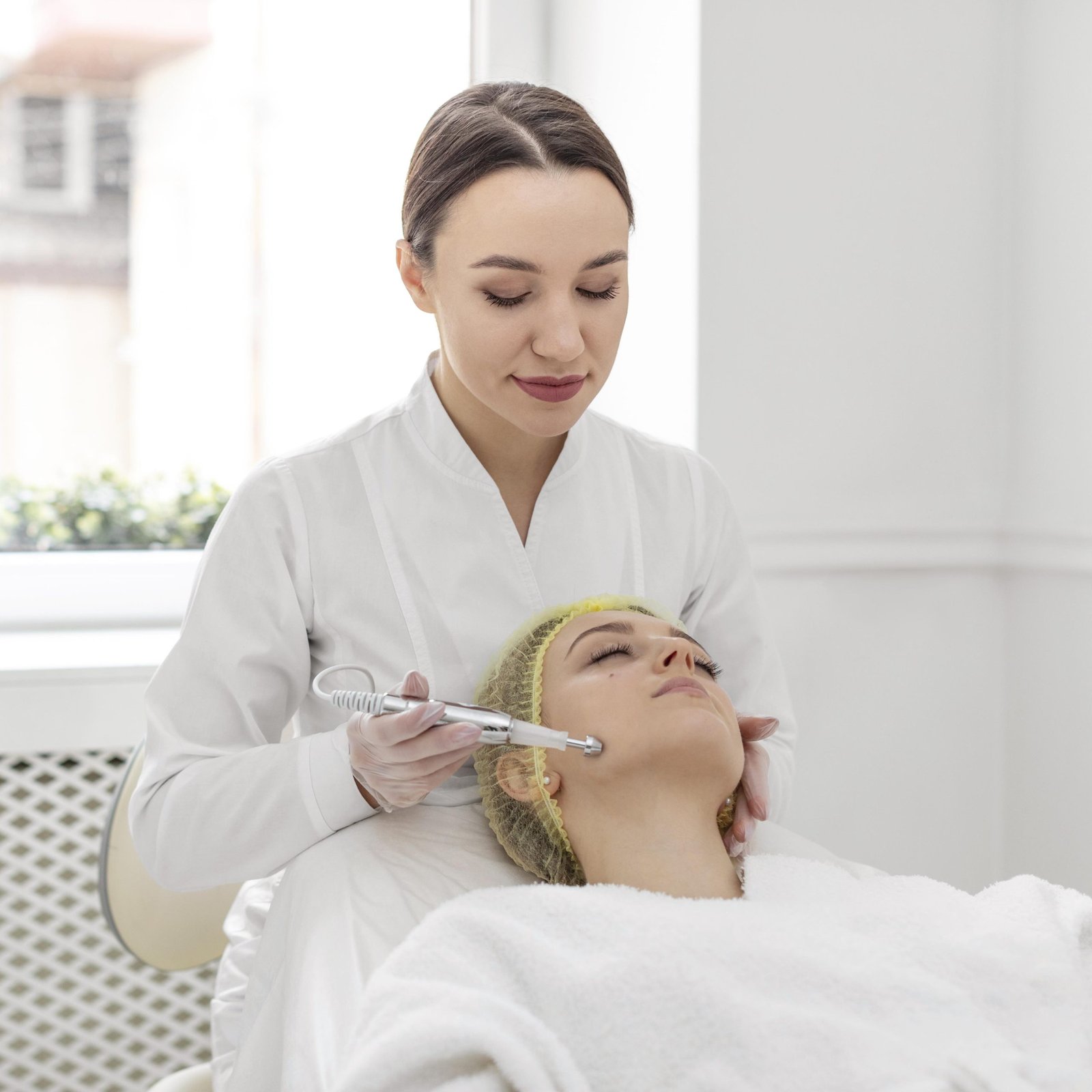
Anti-wrinkle treatment works nothing like filler. There’s no volume added here — instead, the injections relax the targeted muscle, which softens the lines that form from repeated expressions like frowning or squinting.
Most people can expect their Botox results timeline to run around three to four months. As the effect wears off, the muscle gradually regains its movement, and the wrinkles ease back in slowly rather than all at once. First-timers often notice this happening a touch sooner, simply because the muscle hasn’t adapted yet to being relaxed.
Interestingly, people who get treated regularly often find their results stretching out over time. The muscle weakens slightly with repeated relaxation, so the gap between sessions can grow naturally. Forehead lines and crow’s feet, being high-movement areas, tend to fade quicker than frown lines between the brows, which get used a bit less throughout the day.
Signs It’s Time for Another Anti-Wrinkle Treatment
We don’t need to wait until the lines are fully back before booking our next appointment there are usually a few earlier clues.
Movement starts creeping back into the treated muscle first. We might catch a slight crease when we frown or raise an eyebrow that wasn’t there a month ago. Fine lines that had smoothed out completely start showing up again, faintly at first, especially around the forehead and eyes.
Some clients mention their expressions “feel more natural” again, which sounds like a nice thing, but it’s actually a sign the muscle relaxation is wearing off. Catching it at this stage, rather than waiting for full movement to return, keeps our results looking consistent instead of going through obvious peaks and dips.
How Long Does a HydraFacial Last?
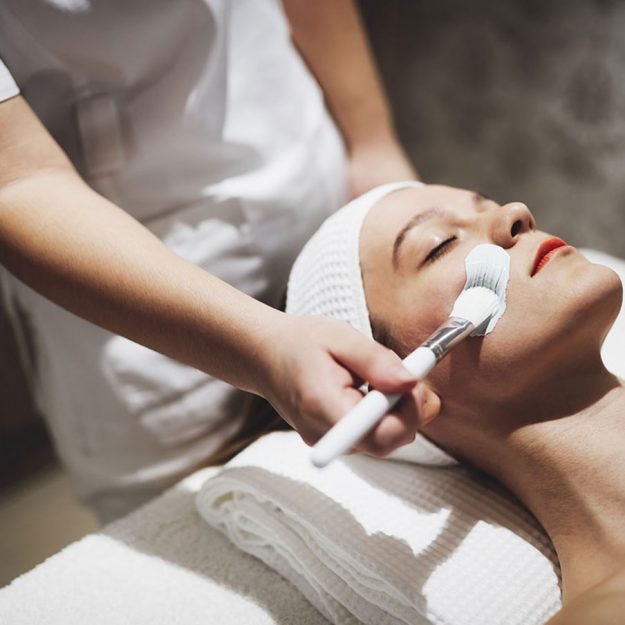
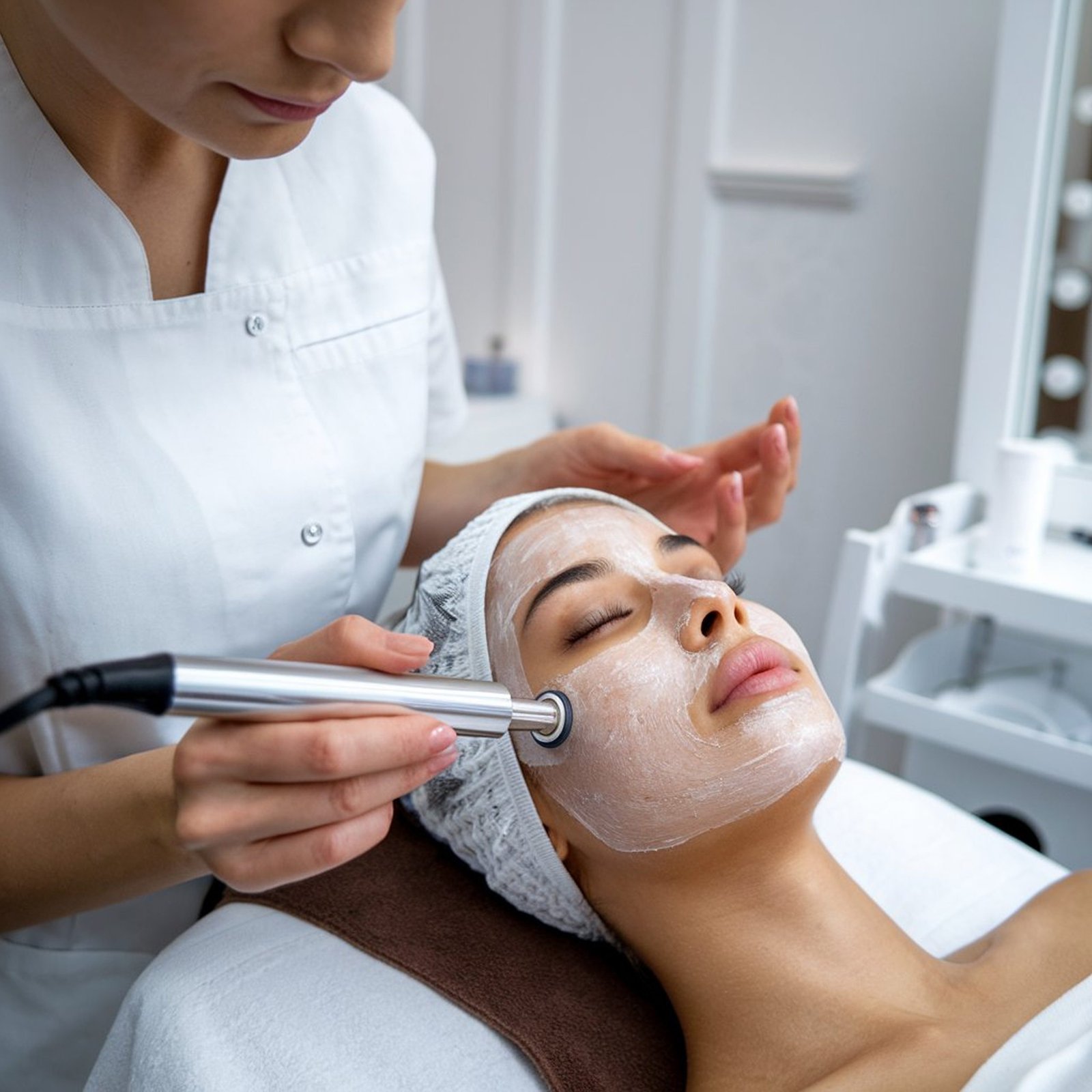
HydraFacial plays by a completely different set of rules. There’s no muscle relaxation or added volume involved; it’s deep cleansing, gentle exfoliation, and a hit of hydration, and the effects show up immediately but don’t stick around for months the way injectables do.
Most people notice that glowing, hydrated look for around five to seven days after one session. The treatment clears out dead skin cells and clogged pores while pushing hydrating, antioxidant-rich serums into the skin, which is why the results look so immediate. It’s less of a “fix once and forget” treatment and more of a top-up we build into our regular skincare rhythm.
How to Make Your HydraFacial Results Last Longer
Stretching that post-facial glow a bit further mostly comes down to what we’re doing at home between sessions. Swapping out harsh cleansers for something gentler helps preserve the hydration the treatment just gave us, rather than stripping it straight back out.
A decent moisturiser, used morning and night, keeps that plump, fresh look going well past the first few days. Sunscreen isn’t optional either; all that exfoliation and hydration gets undone fairly quickly if UV rays are left to do their thing unchecked.
Drinking enough water genuinely helps too, supporting the skin from the inside while the topical treatment does its work on the surface. And if we can, try to keep sessions monthly rather than letting months slip by between appointments, consistency is really where HydraFacial earns its keep.
Can You Combine These Treatments?
Short answer: yes, and quite a few of our clients already do. Fillers, anti-wrinkle injections, and HydraFacial each tackle a different problem, so rather than competing with each other, they tend to work well side by side.
Fillers rebuild volume and shape, anti-wrinkle injections calm down expression lines, and HydraFacial handles skin texture and hydration without touching either of the other two. Put together, we’re covering structure, movement, and surface quality all at once, which is why combination plans have become so popular.
That said, we usually recommend spacing things out by a few weeks rather than cramming everything into one visit. It gives injectable treatments proper time to settle and heal, while still leaving room to squeeze in a HydraFacial before an event for that quick glow.
How to Extend the Results of All Three Treatments
None of these treatments exist in a vacuum; what we do day-to-day afterwards genuinely changes how long they last. A few habits worth building in:
- Drink enough water daily, since dehydrated skin breaks down hyaluronic acid filler faster than properly hydrated skin
- Wear sunscreen every single day, because UV exposure is one of the fastest ways to shorten filler longevity
- Skip the aggressive facials or heavy massage right after an injectable treatment, at least for the first week or two
- Keep a consistent skincare routine going, with antioxidants and hydrating serums doing the work between clinic visits
- Book our next appointment before results have fully faded, not after
- Pick a practitioner with real experience, since technique genuinely affects how long results hold
- Cut back on smoking and drinking where we can, since both speed up collagen breakdown
- Steer clear of saunas, steam rooms, or hot yoga straight after treatment, as heat can affect how the product settles
None of these are dramatic lifestyle overhauls. They’re small, manageable habits that quietly add weeks or months onto our results without much extra effort.
How Often Should You Get Fillers and HydraFacial?
There’s no single right answer here; it really depends on our goals, our budget, and how our own body handles each treatment. Most people book filler touch-ups every nine to fourteen months, give or take, with lip filler needing more frequent visits and cheek or jawline filler stretching things out further.
Anti-wrinkle injections usually mean a trip back every three to four months to keep results looking consistent. HydraFacial is its own thing entirely, since it’s more about ongoing skin health than correcting a specific concern. Monthly sessions suit most people, though some prefer spacing it out to every couple of months instead.
Best Time for Filler Touch-Ups
Getting the timing right on a touch-up honestly makes more difference than people expect. Go too early, and we’re paying for product you didn’t need yet. Wait too long, and we’re basically starting from scratch instead of simply topping up what’s already there.
A good rule of thumb is booking somewhere around seventy-five to eighty-five percent through our expected timeline. So if our lip filler usually lasts nine months, aim for month seven rather than waiting until month nine. Keep an eye out for the early signs too, a bit of volume loss, slight asymmetry creeping in, or definition just starting to soften.
Choosing the Right Treatment for Your Goals
It really comes down to what we’re trying to fix. If we’ve lost volume somewhere, or want to enhance our natural contours, fillers are the obvious route. If it’s fine lines and wrinkles from years of frowning, smiling, and squinting, anti-wrinkle injections are doing a different job entirely.
HydraFacial doesn’t touch volume or muscle movement at all; it’s purely about texture, hydration, and that overall glow. Quite a few clients end up combining treatments once they realise these aren’t competing options but complementary ones. A proper consultation is really the best way to figure out what combination actually suits our skin and our goals, rather than guessing based on what worked for someone else.
Why Choose La Beauté for Fillers and Skin Treatments in Bradford?
La Beauté stands out in Bradford because of proper consultations, experienced practitioners, and honest advice about what a treatment can realistically do for you. We focus on aftercare too, checking in on our results and telling us straight when a touch-up is actually needed, rather than rushing you back in early. With quality products and a genuine focus on natural-looking results, it’s less about one appointment and more about getting it right for the long run.
Frequently Asked Questions
How long do fillers last on average?
Most dermal fillers last somewhere between nine and eighteen months, depending on the area; lips fade quicker than cheeks or the jawline simply because they move so much more.
How long do anti-wrinkle injections last compared to fillers?
Anti-wrinkle injections typically last three to four months, noticeably shorter than fillers, since they work by relaxing muscles rather than adding volume.
How long does HydraFacial last after one session?
Expect that hydrated, glowing look to last around five to seven days, which is why monthly sessions tend to work best for keeping skin consistently refreshed.
Can lifestyle habits affect how long fillers last?
Definitely. Sun exposure, hydration, smoking, and even our metabolism all play a part in how quickly filler breaks down.
What’s the best time to book a filler touch-up?
Somewhere around seventy-five to eighty-five percent through our expected timeline works best, letting our practitioner layer fresh product onto what’s still there.
Do all filler areas last the same amount of time?
No, lip filler usually lasts six to twelve months, while cheek and jawline filler can hold for twelve to eighteen months thanks to less movement in those areas.
Is HydraFacial better than fillers for anti-ageing?
They’re solving different problems entirely. HydraFacial improves texture and hydration, while fillers restore lost volume and shape.
Can I combine fillers, anti-wrinkle injections, and HydraFacial?
Yes, and it’s fairly common, just spaced a few weeks apart so injectables get proper time to settle before other treatments come into the mix.
How can I make my filler results last longer?
Staying hydrated, wearing sunscreen daily, cutting back on smoking, and booking touch-ups at the right time all help stretch out how long our filler results last.
Final Thoughts on Realistic Treatment Timelines
At the end of the day, knowing how long fillers last, along with realistic expectations for anti-wrinkle injections and HydraFacial, just makes the whole process less stressful. Every treatment has its own rhythm, shaped by where it’s placed, what product’s used, and our own body’s habits.
Chasing permanence isn’t really the point here; treating these as an ongoing part of our routine, rather than a one-off fix, tends to give the most natural, consistent results over time. Book touch-ups at the right moment, look after our skin properly in between, and choose a practitioner who knows what they’re doing, and the results genuinely speak for themselves.
If we’re weighing up our first treatment or just want to fine-tune what we’re already doing, going in with realistic expectations makes the entire experience a lot more satisfying.