Moles are a natural part of human skin, and most people have several scattered across their bodies. While many moles are harmless, some individuals choose to remove them for cosmetic reasons. Whether a mole sits in a visible location or simply feels bothersome, the desire for smoother, clearer skin is completely valid. However, before booking a procedure, it is important to understand whether mole removal is safe, what methods exist, and what results we can realistically expect.
At La Beauté, we understand that skin confidence matters. This guide walks us through everything we need to know about cosmetic mole removal, from safety considerations to aftercare, helping us make an informed decision.
What Is Cosmetic Mole Removal?
Cosmetic mole removal refers to the process of eliminating a mole purely for appearance purposes rather than medical necessity. Unlike moles removed due to suspicious changes or skin cancer concerns, cosmetic removal targets moles that are benign but visually unwanted.
Many people seek this treatment because a mole affects their facial symmetry, catches on clothing, or simply feels like an unwanted feature. The good news is that modern dermatology offers several safe and effective techniques designed specifically for aesthetic outcomes.
Cosmetic Mole vs Medical Mole Removal: Key Differences
Understanding the distinction between cosmetic and medical mole removal helps set clear expectations about the process and outcome. While both involve removing a mole, the purpose and approach differ significantly.
Medical mole removal is typically driven by suspicion of malignancy, meaning the removed tissue is sent for biopsy to rule out skin cancer. Cosmetic mole removal, by contrast, targets moles already confirmed as benign, with the primary goal being improved appearance rather than diagnosis. This difference also affects how the procedure is billed, since medical removals are often covered by health insurance while cosmetic procedures are typically an out-of-pocket expense.
Is Mole Removal Safe?
This is the most common question patients ask, and rightfully so. When performed by a qualified dermatologist or licensed skin specialist, mole removal is generally a safe and straightforward procedure. Clinics follow strict hygiene protocols, use sterile equipment, and apply local anaesthesia to minimize discomfort during treatment.
That said, safety depends heavily on where we have the procedure done. Choosing an unlicensed provider or attempting home remedies increases the risk of infection, scarring, and incomplete removal. A professional evaluation ensures the mole is not cancerous before any cosmetic work begins, which adds an extra layer of protection for our health.
Why Professional Assessment Matters
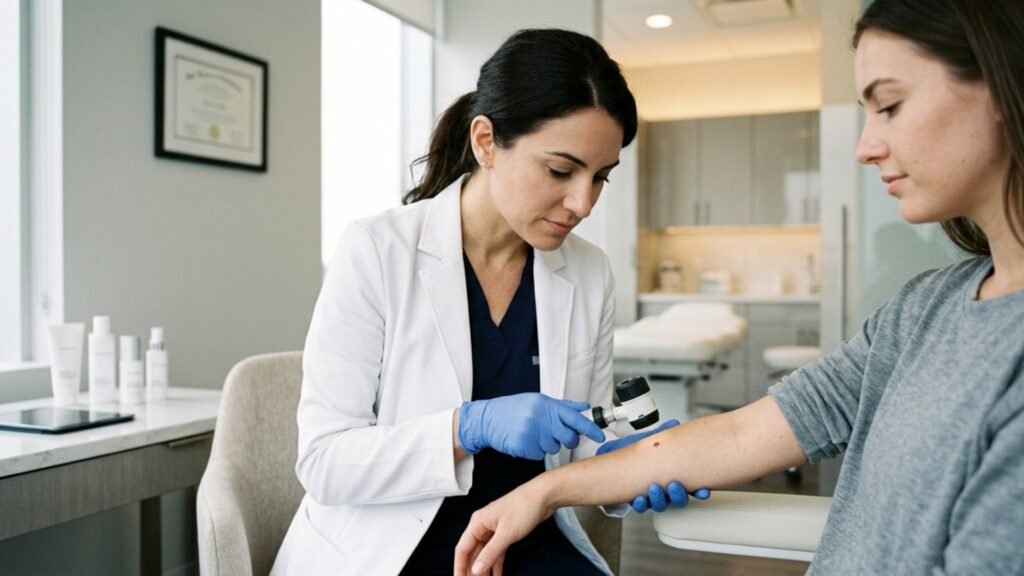
Before any mole removal treatment, a qualified practitioner should examine the mole’s size, colour, border, and texture. This step confirms the mole is benign and helps determine the most suitable removal method for our skin type.
Who Is a Good Candidate for Cosmetic Mole Removal?
Not everyone needs a medical reason to pursue mole removal, but understanding candidacy helps set the right expectations. Ideal candidates generally have moles that a dermatologist has already confirmed as benign, along with realistic goals about scarring and healing time.
People with a history of keloid scarring or certain skin conditions may need extra precautions or alternative techniques. Similarly, individuals with active skin infections or inflammation near the mole are usually asked to wait until the area heals before proceeding. A consultation remains the best way to determine whether we are ready for treatment, since our practitioner can tailor the approach to our specific skin type and medical history.
Signs a Mole Should Be Checked by a Doctor First
Not every mole is suitable for cosmetic removal without further evaluation, and certain warning signs call for a proper medical assessment first.
Changes in Size or Shape
A mole that grows larger, becomes raised, or develops an irregular shape over a short period needs prompt attention. Sudden changes often signal that the mole’s cells are behaving differently and require a dermatologist’s evaluation before any cosmetic treatment.
Uneven or Blurred Borders
Healthy moles usually have smooth, well-defined edges. If a mole’s border looks jagged, notched, or blurred into the surrounding skin, this asymmetry should be checked professionally rather than treated cosmetically.
Multiple Colours Within One Mole
A single mole showing several shades, such as brown, black, red, or blue in the same spot, is a red flag. Colour variation within one mole is one of the clearest signs that medical evaluation should come before any removal decision.
Bleeding, Itching, or Crusting
Moles that bleed without injury, itch persistently, or develop a crusty surface need immediate medical review. These symptoms are not typical of harmless moles and should never be addressed through cosmetic removal alone.
Rapid Growth or New Moles in Adulthood
New moles appearing suddenly in adulthood, or existing moles growing quickly, warrant a dermatology visit. While this does not always indicate a serious issue, ruling out concerns early keeps our skin health protected.
If we notice any of these changes, book a dermatology consultation rather than a cosmetic removal appointment, since our health always takes priority over aesthetic concerns.
Types of Mole Removal Methods
Different moles require different approaches. The right technique depends on the mole’s size, depth, and location on our body.
- Shave excision: The practitioner uses a surgical blade to shave the mole level with the surrounding skin. This method works well for raised moles and typically leaves minimal scarring.
- Surgical excision: This involves cutting out the mole along with a small margin of surrounding tissue, followed by stitches. It is often used for larger or deeper moles.
- Laser mole removal: A focused laser breaks down the pigment cells in the mole, gradually fading it away. This option suits smaller, flatter moles and often requires multiple sessions.
- Cryotherapy: This technique freezes the mole tissue using liquid nitrogen, causing it to fall off naturally within days.
Each method has distinct advantages, and our specialist will recommend the best fit based on our individual case.
Laser Mole Removal vs Surgical Mole Removal
Patients often compare laser and surgical options before deciding. Laser mole removal is popular because it involves no cutting, minimal downtime, and reduced scarring risk. It works especially well for smaller, non-raised moles.
Surgical mole removal, on the other hand, tends to be more effective for larger or deeper moles. Since the entire mole is physically removed, there is less chance of regrowth. However, this method may leave a small scar and requires a short healing period with stitches. Our dermatologist will guide us toward the option that matches our mole’s characteristics and our personal preferences regarding downtime and scarring.
Home Remedies vs Professional Mole Removal
Online searches often surface home remedies claiming to remove moles using natural ingredients like apple cider vinegar or garlic paste. While these methods may seem appealing, they carry serious risks and lack scientific backing for safe, effective mole removal.
Applying acidic or corrosive substances to the skin can cause burns, permanent scarring, and skin discolouration. More importantly, home remedies cannot distinguish between a harmless mole and one that requires medical attention, meaning a potentially dangerous mole could go unchecked. Professional mole removal, by contrast, involves proper diagnosis, sterile technique, and controlled precision that home treatments simply cannot replicate. Choosing a licensed clinic protects both our skin’s appearance and our overall health.
Mole Removal Risks We Should Know
While mole removal is considered safe overall, no cosmetic procedure is entirely without risk. Understanding potential complications helps us set realistic expectations and choose our provider carefully.
- Scarring: Some techniques, particularly surgical excision, can leave a faint scar depending on our skin’s healing response.
- Infection: Poor aftercare or unsterile equipment can lead to infection at the treatment site.
- Pigmentation changes: The treated area may appear slightly lighter or darker than surrounding skin temporarily.
- Incomplete removal: In rare cases, mole cells may remain beneath the skin, causing partial regrowth.
Choosing an experienced, licensed clinic significantly reduces these risks and ensures proper aftercare guidance.
Mole Check Before Removal: Why It’s Essential
A thorough mole check before removal is a non-negotiable step in the process. Dermatologists assess whether a mole shows any signs of irregularity using the ABCDE method: asymmetry, border irregularity, colour variation, diameter, and evolving changes over time.
This screening protects our health by ruling out malignant moles before cosmetic treatment proceeds. If any concerning signs appear, our practitioner will recommend further testing rather than proceeding with cosmetic removal. This precaution keeps the process both safe and medically responsible.
Mole Removal Cost: What Influences the Price
The cost of mole removal varies based on several factors, including the technique used, the mole’s size and location, and the number of sessions required. Laser treatments often involve multiple visits, which can affect the overall price compared to a single surgical excision appointment.
Clinic reputation and practitioner experience also play a role in pricing. While it may be tempting to choose the cheapest option available, investing in a qualified provider reduces the likelihood of complications and the need for corrective treatment later. At La Beauté, pricing is discussed transparently during our consultation, so we know exactly what to expect before committing to treatment.
What Happens During a Mole Removal Procedure
Understanding the treatment process can ease any pre-appointment nerves. Most procedures follow a similar structure regardless of the technique chosen.
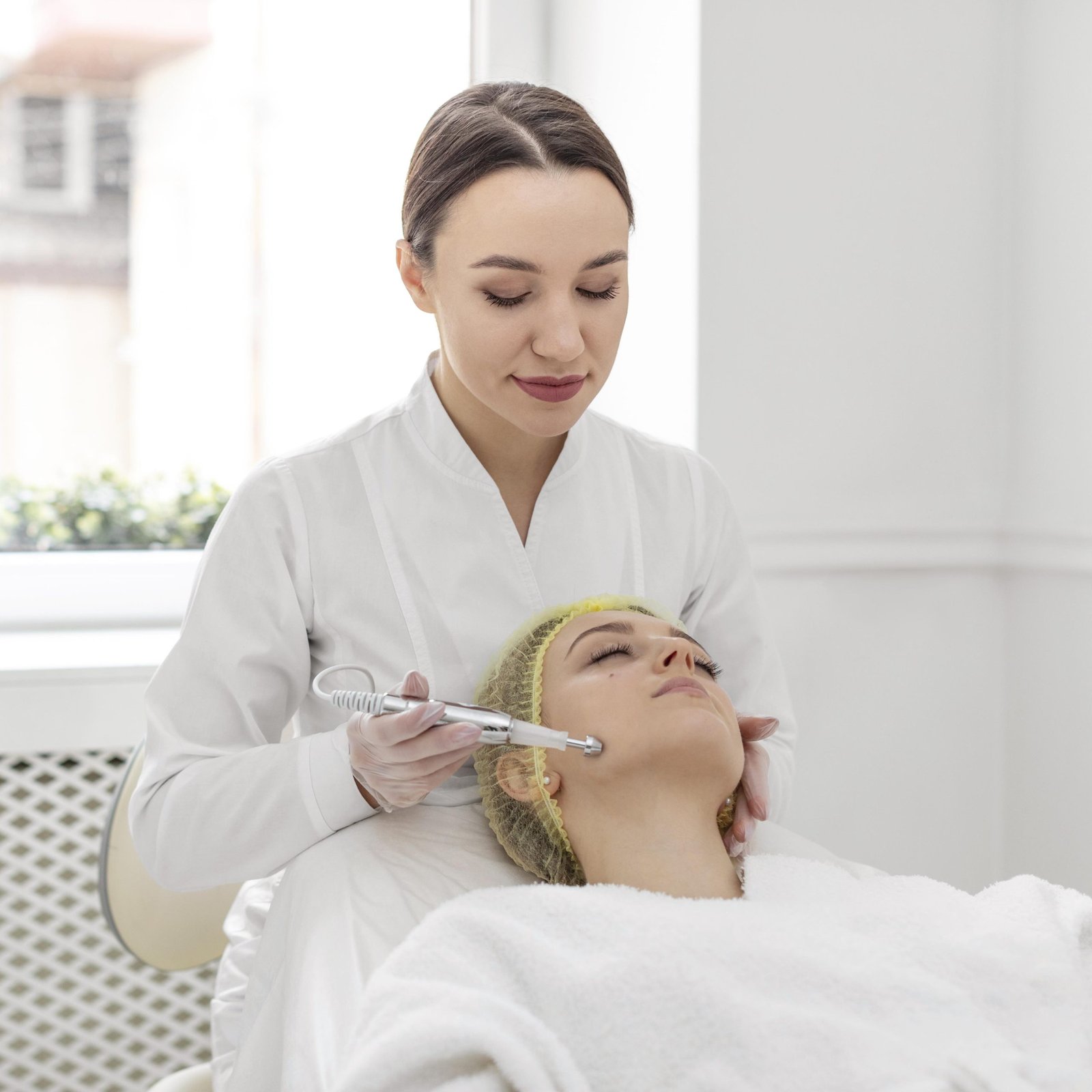
Our practitioner begins with a consultation and skin examination, followed by cleansing the treatment area. Local anaesthesia numbs the site to keep us comfortable throughout. Depending on the method selected, the mole is then shaved, excised, lasered, or frozen away. The entire process typically takes between fifteen minutes and an hour, and most patients can return home the same day.
Aftercare Following Removal
Proper aftercare plays a major role in achieving smooth, scar-free healing. Following our practitioner’s instructions closely will support faster recovery and better cosmetic results.
Keep the treated area clean and dry for the first few days, and avoid picking at any scabbing that forms. Apply any prescribed ointment as directed, and protect the area from direct sun exposure, since UV rays can darken healing skin. If stitches were used, attend our follow-up appointment for removal as scheduled.
Mole Removal Before and After: What to Expect
Many patients search for mole removal before and after results to understand realistic outcomes. In most cases, the treated area appears slightly red or pink immediately after the procedure, gradually fading over one to two weeks. Complete healing, including any residual pigmentation, may take a few months depending on your skin type and the method used.
Results are generally very satisfying, with most moles either disappearing completely or becoming barely noticeable. Following aftercare instructions carefully improves our chances of achieving the best possible outcome.
How to Prepare for Our Mole Removal Appointment
Proper preparation helps our mole removal procedure go smoothly and supports better healing afterward. Simple steps taken before our appointment can make a noticeable difference in our overall experience.
Avoid blood-thinning medications and supplements like aspirin or fish oil for a few days prior, unless our doctor advises otherwise, since these can increase bleeding during treatment. Keep the treatment area clean and free from makeup or lotion on the day of our appointment. Arrive with realistic expectations and a list of questions, so our practitioner can address any concerns before beginning the procedure.
Mole Removal in Bradford: Local Expertise We Can Trust
For residents seeking mole removal in Bradford, choosing a nearby clinic offers convenience without sacrificing quality of care. Local patients benefit from easier access to follow-up appointments, which matters if stitches need removing or if our practitioner wants to monitor healing progress in person.
Bradford’s growing demand for cosmetic dermatology treatments has encouraged clinics to invest in advanced equipment and experienced staff. When searching for a local provider, prioritize clinics that clearly display their qualifications and offer a proper consultation before treatment. This local approach ensures we receive personalized care while avoiding the inconvenience of long-distance travel for a straightforward cosmetic procedure.
Choosing the Right Mole Removal Clinic
Selecting a reputable clinic is arguably the most important decision in our mole removal journey. Look for practitioners with proper dermatology qualifications and a strong track record of safe cosmetic procedures.
Ask about the clinic’s hygiene standards, the specific techniques they offer, and whether they conduct a proper skin assessment before treatment. Reading previous patient reviews and viewing before-and-after photos can also provide valuable insight into their quality of work. At La Beauté, our team prioritizes patient safety alongside beautiful, natural-looking results.
Frequently Asked Questions
Is mole removal painful?
Most patients feel minimal discomfort since local anaesthesia numbs the area beforehand. Some mild tenderness may occur once the numbing wears off.
How long does mole removal take to heal?
Initial healing typically takes one to two weeks, though complete fading of any redness or pigmentation can take several months.
Can a mole grow back after removal?
In rare instances, particularly with shave excision, some mole cells may remain and cause slight regrowth. Surgical excision carries a lower regrowth risk.
Will mole removal leave a scar?
Scarring depends on the technique used and our skin’s natural healing tendency. Laser removal typically leaves minimal to no visible scarring.
How do I know if my mole is safe to remove cosmetically?
A professional dermatologist assessment before treatment confirms whether your mole is benign and suitable for cosmetic removal.
Conclusion
Cosmetic mole removal can be a safe and effective way to achieve smoother, more confident skin when performed by qualified professionals who prioritize our health first. From understanding the right removal method to recognizing warning signs that need medical attention, informed decisions lead to the best possible outcomes.
At La Beauté, we combine medical expertise with a genuine focus on natural, confidence-boosting results. If you’re considering mole removal, book a consultation with our team to discuss the safest, most suitable option for your skin.