Uneven skin tone affects thousands of people across Bradford every year. Dark patches, stubborn spots, and discoloration chip away at our confidence and make us feel self-conscious in social situations. Many people spend years trying home remedies and drugstore products without seeing any real improvement.
Professional treatment changes everything. Dr. Aqib’s Clinic in Bradford offers advanced, clinically proven treatments that target the actual root cause of pigmentation rather than masking it. The results are visible, lasting, and tailored specifically to our skin.
If we want clear, even-toned skin and are tired of products that promise results but never deliver, this guide covers everything we need to know about skin pigmentation treatment in Bradford before we book our first appointment.
What Is Skin Pigmentation?
Skin pigmentation refers to changes in our natural skin color caused by an imbalance in melanin production. Melanin is the pigment responsible for the color of our skin, hair, and eyes. When our skin produces too much melanin in one area, dark patches form on the surface; when it produces too little, lighter patches appear instead.
This imbalance does not happen randomly. Specific triggers cause the melanin-producing cells in our skin to behave differently. Sun exposure, hormonal shifts, inflammation, skin injuries, and certain medications all disrupt the normal production of melanin, leading to visible pigmentation on the face and body.
Main Causes of Skin Pigmentation
Identifying the exact cause of your pigmentation is the first step toward choosing the most effective treatment. Dr. Aqib’s Clinic identifies the root cause during consultation before recommending any clinical approach.
Sun Exposure
Ultraviolet rays from the sun trigger melanin production as a natural skin defense. Repeated and prolonged exposure causes dark spots and uneven patches to develop over time, particularly on the face, hands, and shoulders.
Hormonal Changes
Pregnancy, contraceptive pills, and hormonal therapies alter estrogen and progesterone levels. These hormonal fluctuations stimulate excessive melanin production, leading to a condition called melasma on the cheeks, forehead, and upper lip.
Post-Inflammatory Response
Acne breakouts, eczema flares, cuts, and burns all damage the skin and trigger excess melanin production, leaving visible dark marks on the surface after the skin recovers. This type of pigmentation is extremely common in people with medium to darker skin tones and can take months to fade without treatment.
Aging and Genetics
As skin ages, melanin distribution becomes less even. Age spots and sunspots become more visible after years of cumulative sun exposure. Genetics also plays a role in how our skin responds to these triggers.
Medications and Medical Conditions
Certain antibiotics, chemotherapy drugs, and anti-seizure medications can cause pigmentation as a side effect. Some autoimmune and thyroid conditions also affect melanin production in the skin.
How Different Skin Tones Respond to Pigmentation Treatment
Skin tone directly shapes how pigmentation develops and how clinical treatment performs. Fair skin responds quickly to laser therapy and chemical peels because lower natural melanin allows faster pigment breakdown. Medium skin tones, common among South Asian and Mediterranean backgrounds, carry a higher risk of post-inflammatory hyperpigmentation, so treatment requires carefully controlled settings. Dark skin tones demand the most specialist care because incorrect laser wavelengths or aggressive peels can cause burns or hypopigmentation. Dr. Aqib adjusts every protocol based on our individual complexion, making this clinic the right choice for every Bradford resident, regardless of skin background.
The Real Impact of Skin Pigmentation on Daily Life
Skin pigmentation affects far more than appearance. Visible dark patches lower confidence in workplaces, social settings, and personal relationships. Many patients rely on a heavy foundation every single day just to feel comfortable leaving the house. Over time, this dependency becomes exhausting and expensive. Chronic pigmentation also connects to increased anxiety and social withdrawal, reducing overall quality of life. Patients who complete treatment at Dr. Aqib’s Clinic consistently report major improvements in self-confidence, daily comfort, and how they engage with the world around them.
Common Types of Skin Pigmentation
Melasma
Melasma presents as brown or gray-brown patches on the face, particularly on the cheeks, nose, forehead, and upper lip. It affects women far more frequently than men and is closely linked to hormonal changes and sun exposure. Melasma sits in the deeper layers of the skin, which makes it one of the more stubborn types to treat.
Post-Inflammatory Hyperpigmentation
This type develops after the skin experiences trauma or inflammation. Acne breakouts, minor injuries, and skin procedures can all trigger post-inflammatory hyperpigmentation. The dark marks remain long after the original skin issue has healed.
Sunspots and Age Spots
Sunspots appear as flat, well-defined brown or black spots on sun-exposed areas. They become more visible after the age of 40 but can develop earlier in individuals with high sun exposure. The face, chest, hands, and arms are the most commonly affected areas.
Freckles
Freckles are small, flat, brown spots that appear mainly in fair-skinned individuals. They result from a combination of genetic predisposition and sun exposure. While completely harmless, many patients choose to reduce them for a more even skin tone.
Vitiligo
Vitiligo causes white or light patches to appear on the skin because melanin-producing cells stop functioning in those areas. It can affect any part of the body and progresses differently in each individual. Management focuses on slowing progression and improving skin appearance.
Why Bradford Patients Choose Dr. Aqib’s Clinic
Dr. Aqib’s Clinic has earned a strong reputation across Bradford for delivering safe, personalized, and highly effective aesthetic treatments. Patients return here because the results are genuine and the care is exceptional.
Dr. Aqib holds extensive clinical experience in dermatology and aesthetic medicine. The clinic serves a diverse patient base across Bradford, including individuals from South Asian, African, Middle Eastern, and European backgrounds. Treating pigmentation across different ethnic skin tones requires precise knowledge and careful technique. Dr. Aqib has that specialist expertise and applies it consistently.
The clinic uses medical-grade equipment and clinically tested products specifically selected for pigmentation correction. Every treatment plan begins with a thorough skin assessment, ensuring that each patient receives a solution designed for their unique skin condition.
Advanced Treatments for Skin Pigmentation Treatment in Bradford
Chemical Peels
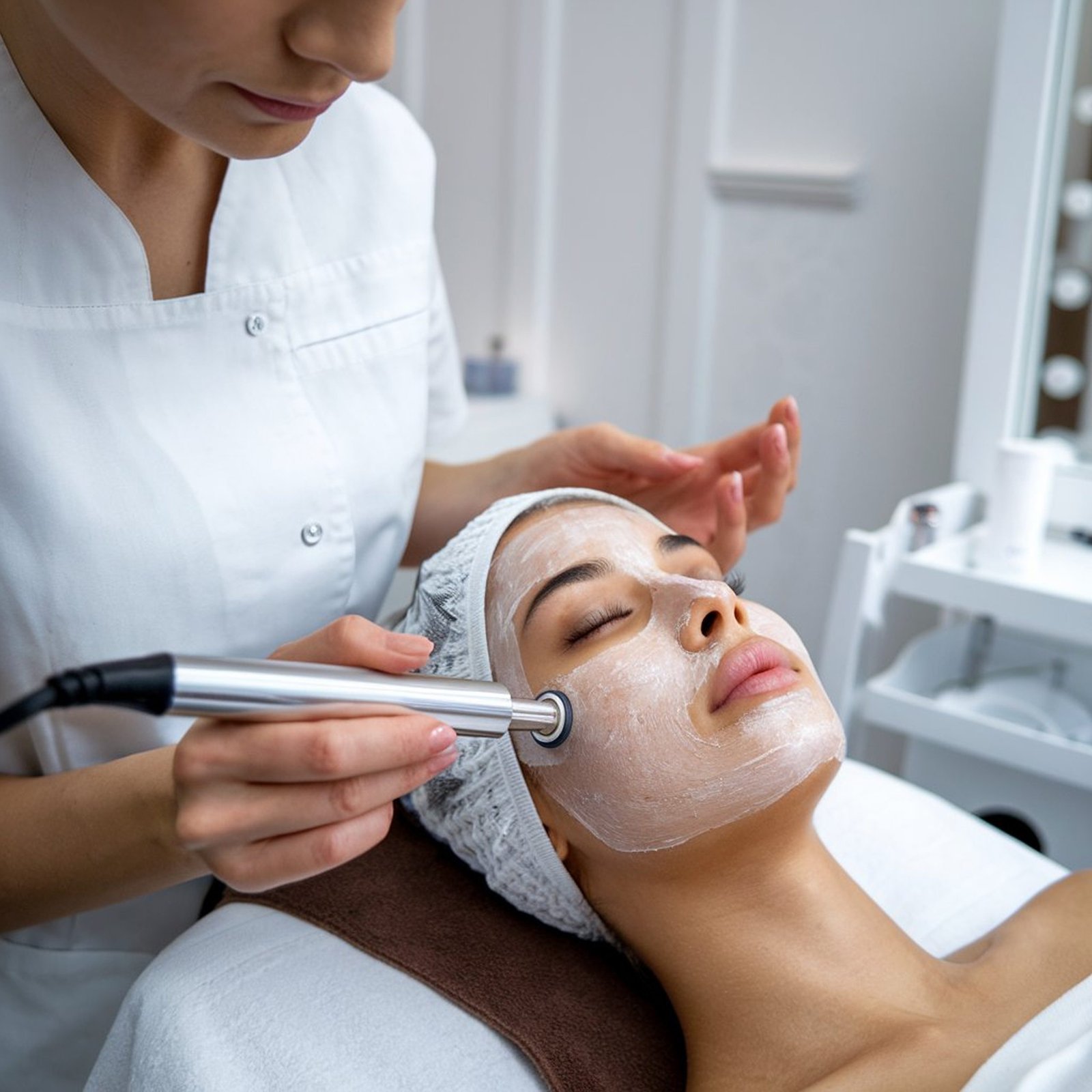
Chemical peels apply a controlled solution to the skin that removes the outer damaged layers and reveals a fresher, more evenly toned layer beneath.
- Effective for sunspots, mild melasma, and post-inflammatory hyperpigmentation
- Available in light, medium, and deep strengths depending on skin needs
- Formulated specifically for different skin tones to reduce irritation risk
- Requires minimal downtime for lighter peel options
Laser Skin Rejuvenation
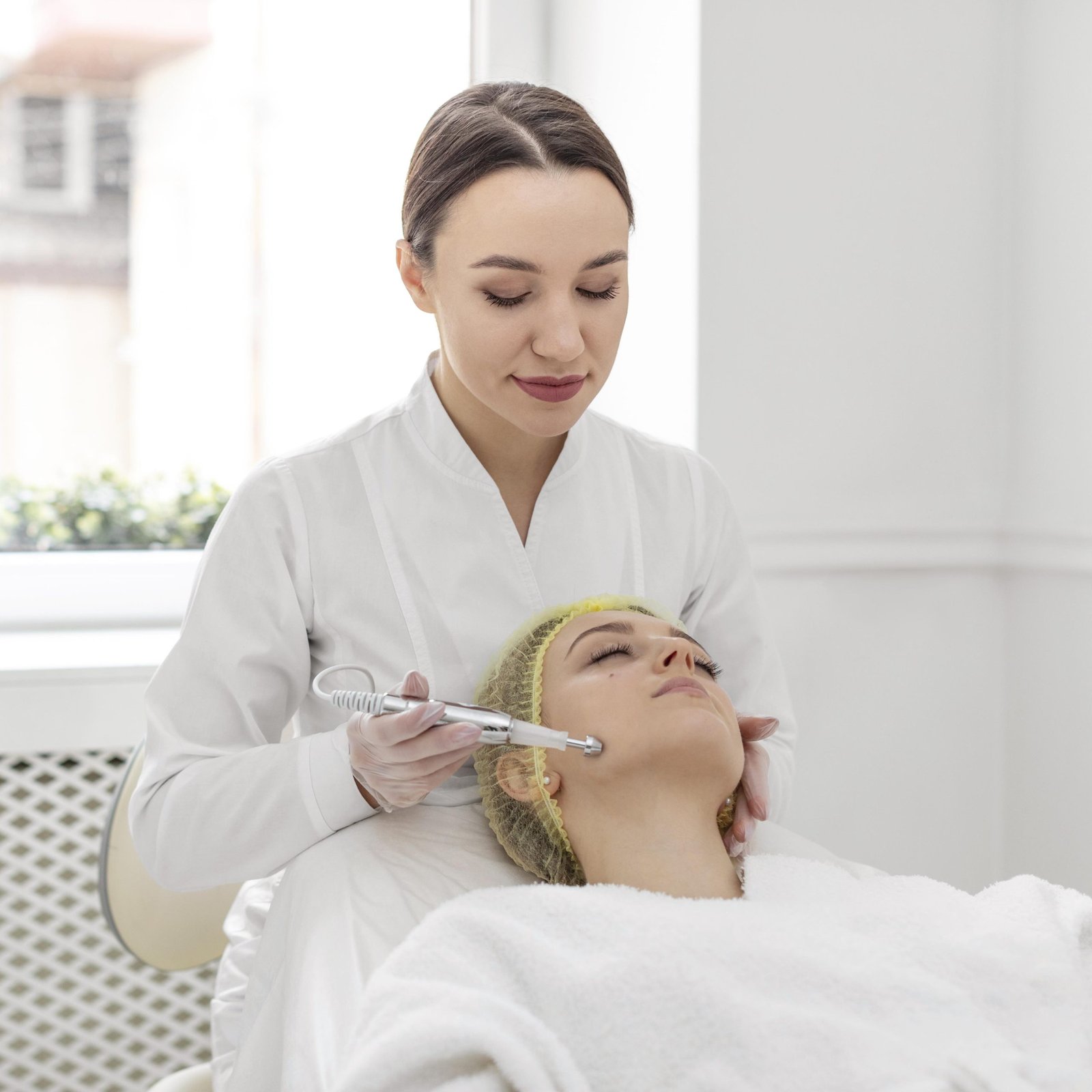
Laser therapy targets melanin-rich patches directly, breaking down pigment clusters beneath the skin surface. The body then removes these fragments naturally over several weeks.
- Highly precise targeting of dark spots and freckles
- Advanced technology calibrated for safe treatment across all skin types
- Visible results often appear within two to four weeks after each session
- Suitable for sunspots, age spots, and certain types of melasma
Microneedling with Brightening Serums
Microneedling creates thousands of micro-channels in the skin surface, which stimulates collagen production and significantly boosts the absorption of active brightening ingredients applied during the procedure.
- Combines physical stimulation with targeted brightening compounds
- Vitamin C, tranexamic acid, and kojic acid serums enhance results
- Highly effective for post-inflammatory hyperpigmentation and dull skin tone
- Numbing cream is applied beforehand for patient comfort
Medical-Grade Topical Treatments
Prescription-strength topical creams form a powerful part of the overall treatment program at Dr. Aqib’s Clinic. These products contain active ingredients that work at the cellular level to reduce melanin production and fade existing marks.
- Ingredients include hydroquinone, kojic acid, retinoids, and tranexamic acid.
- Far stronger and more effective than any over-the-counter product
- Used alongside in-clinic treatments for faster, more comprehensive results
- Prescribed based on individual skin tone, type, and pigmentation pattern
Combination Therapy
Stubborn or complex pigmentation cases respond best to a structured combination approach. Dr. Aqib designs programs that pair two or more treatments together to deliver faster and more thorough pigmentation correction. Combining laser with chemical peels, or microneedling with topical treatments, addresses pigmentation at multiple layers of the skin simultaneously.
What Happens During Our Consultation
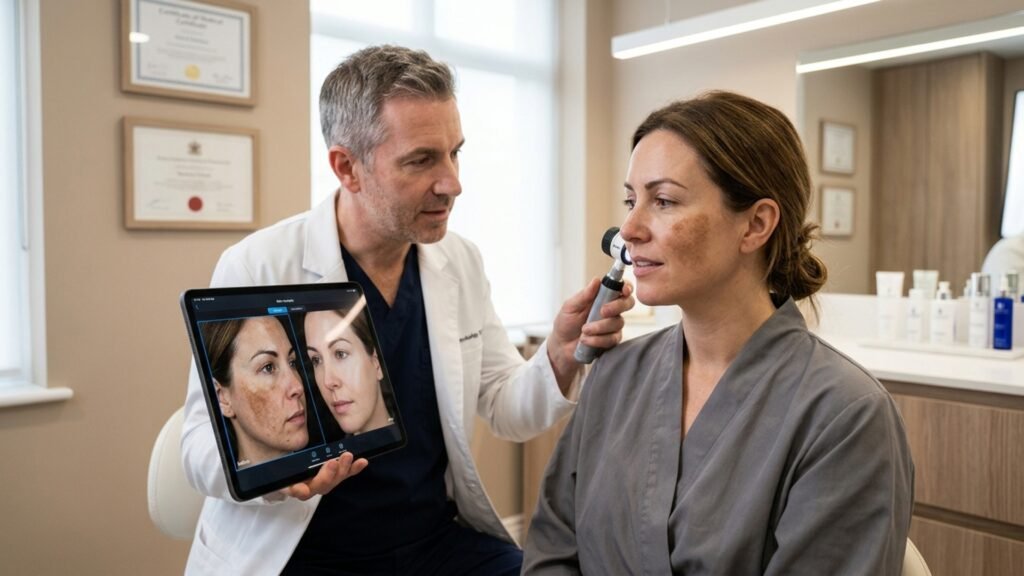
Our journey at Dr. Aqib’s Clinic starts with a detailed one-to-one consultation. The team assesses our skin type, identifies the pigmentation pattern, reviews our medical history, and listens carefully to our skin goals.
Dr. Aqib explains all suitable treatment options in clear, straightforward language. We receive a transparent breakdown of the expected results, the number of sessions required, and the recovery process before any treatment begins. We leave our consultation with a fully personalized treatment plan and complete confidence in the next steps.
How to Protect Our Results Long Term
Achieving clear skin takes clinical skill. Maintaining those results takes daily commitment. Dr. Aqib’s team provides detailed aftercare guidance with every treatment to help patients protect their investment.
- Apply broad-spectrum SPF 30 or higher every morning, including on cloudy days.
- Avoid direct sun exposure between 11 am and 3 pm when UV intensity peaks
- Use a gentle, non-stripping cleanser that supports our skin barrier
- Incorporate a vitamin C serum into our morning routine for antioxidant protection
- Never pick at acne or skin blemishes, as this triggers post-inflammatory hyperpigmentation
- Follow the specific aftercare instructions provided by Dr. Aqib’s Clinic after each session
Why Acting Early Produces Better Results
Pigmentation that receives early attention responds faster, requires fewer treatment sessions, and delivers more complete results. Many patients wait months or years before seeking professional help, and during that waiting period, the pigmentation often deepens into lower skin layers and becomes significantly harder to treat.
Fresh pigmentation sits closer to the skin surface and breaks down more effectively under chemical peels and laser therapy. Early treatment also prevents the emotional toll that chronic skin concerns place on self-confidence and mental well-being.
If we noticed new dark patches recently or have seen existing spots worsen over the past few months, the right time to act is right now. Dr. Aqib’s Clinic offers prompt appointments and a no-pressure consultation process that puts our comfort first.
Who Is Skin Pigmentation Treatment in Bradford Suitable For?
Skin pigmentation treatment in Bradford at Dr. Aqib’s Clinic suits adults of all skin types and tones who want to address dark spots, uneven tone, or discoloration caused by sun damage, hormonal changes, acne, or aging.
Treatments are not recommended for individuals who are pregnant or breastfeeding, those with active skin infections in the treatment area, or those on medications that cause photosensitivity. Dr. Aqib reviews our complete medical background during consultation to confirm our suitability before any procedure.
Frequently Asked Questions
How many sessions will I need?
The number of sessions depends on the type and depth of our pigmentation. Mild sunspots may respond within two to three sessions. Deeper pigmentation like melasma typically requires six or more treatments spread over several months. Dr. Aqib gives us a realistic estimate during our initial consultation.
Are the treatments painful?
Most treatments involve minimal discomfort. Chemical peels produce a mild tingling sensation. Laser sessions use built-in cooling technology to keep the skin comfortable. Microneedling uses a topical numbing cream applied before the procedure begins.
Are treatments safe for darker skin tones?
Yes. Dr. Aqib has specialist experience treating medium and dark skin tones, which require specific protocols and calibrated treatment settings to avoid adverse reactions. The clinic selects every product and device setting based on our individual skin tone.
How long do results last?
Results last long term when paired with proper sun protection and a consistent skincare routine. Without SPF protection, pigmentation can return. The clinic provides a personalized maintenance plan to help us keep our results intact.
What does treatment cost?
Costs vary based on the treatment type, the size of the area being treated, and the number of sessions our condition requires. Dr. Aqib’s Clinic provides a full, transparent pricing breakdown during our consultation with no hidden fees.
Book Our Consultation at Dr. Aqib’s Clinic Today
Clear, even-toned skin transforms how we look and how we feel every single day. Dr. Aqib’s Clinic in Bradford combines genuine clinical expertise, advanced technology, and a patient-first approach to deliver real, lasting results for every pigmentation concern. Hundreds of Bradford residents have already taken this step and achieved the clear skin they wanted. Our consultation is the starting point. Dr. Aqib’s team assesses your skin, explains every option, and builds a treatment plan designed specifically around your condition and goals.
Stop letting uneven skin tone control our confidence. Book our consultation at Dr. Aqib’s Clinic today and take the first step toward the healthy, clear skin we deserve.